A crowded registration desk is where an event brand is tested. If guests cannot quickly see where to go, identify the team or understand who is hosting, even a strong logo can feel disconnected. The most useful event branding trends Australian organisations are adopting focus less on decoration and more on making every physical touchpoint clear, useful and recognisable.
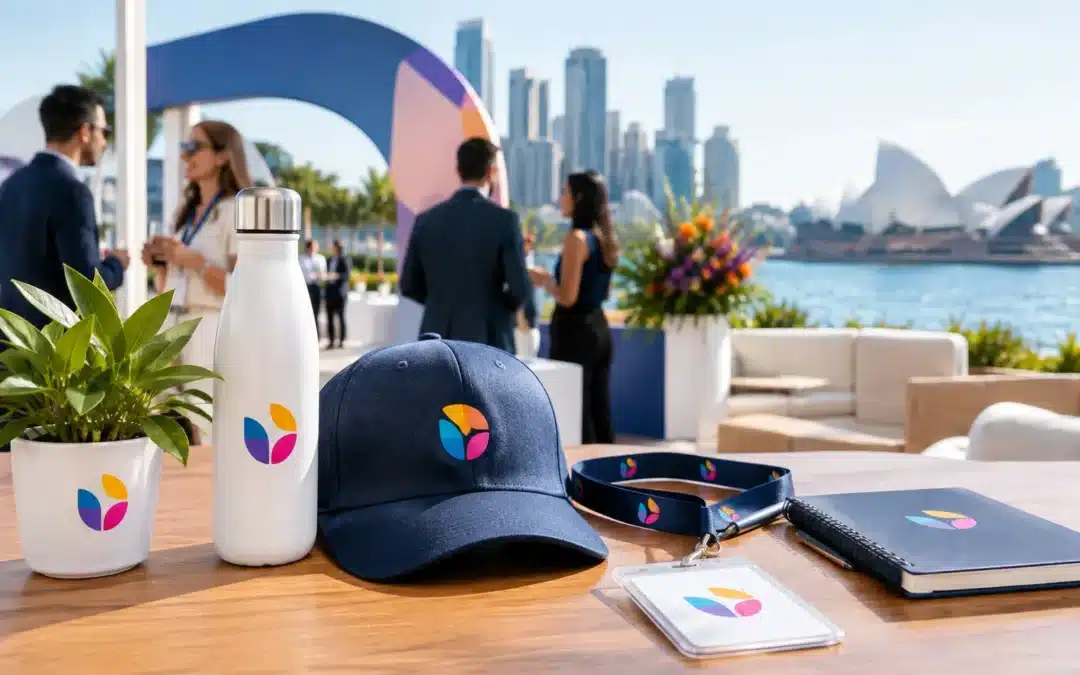
For event organisers, clubs, schools and businesses, that means choosing products with a job to do. A lanyard identifies attendees. A banner directs foot traffic. A reusable drink bottle gives sponsors ongoing visibility after the day finishes. The right mix depends on the event format, audience, venue and budget, but the expectation is consistent: branding should look professional and work hard.
Event branding trends Australian buyers can use now
One consistent visual system across the venue
The strongest event setups are moving away from one large backdrop and a collection of unrelated items. Instead, organisers are carrying a consistent colour palette, logo treatment and message across entry banners, pull-up displays, name badges, table signage, staff apparel and giveaway items.
This does not mean placing a large logo on every available surface. Too much branding can make an event feel cluttered. It means using the same visual cues often enough that guests know they are in the right place, whether they are walking in from the car park, checking in at the foyer or sitting down for a presentation.
Start with the points guests will actually encounter: the entrance, registration area, stage or presentation space, food area and exit. Then identify the products that will have the greatest effect at each point. For a conference, this may be banners, lanyards, notebooks and branded pens. For a community fundraiser, balloons, volunteer badges, drinkware and directional signage may do more of the work.
Merchandise that earns its place in a bag
Useful promotional products remain one of the most reliable forms of event branding. The shift is towards items people will keep, rather than low-value giveaways that are forgotten in a drawer or left behind at the venue.
Drink bottles, coffee cups, tote bags, notebooks, quality pens, keyrings and stubby holders work because they suit everyday Australian life. Their value rises when the item matches the audience. A branded beanie makes sense for a winter sports club event. A reusable cup is a practical choice for a morning networking session. A well-made tote bag is particularly useful for exhibitions where visitors are collecting brochures and samples.
The trade-off is simple: a better item generally costs more per unit, so it is often smarter to reduce the range and invest in products that have a clear purpose. For a VIP group, speaker pack or volunteer team, a smaller quantity of higher-quality merchandise can create more impact than a large run of generic items.
Personalisation beyond the event logo
Personalised event items are becoming more common because they make people feel part of the occasion. Name badges are the obvious example, but personalisation can extend to staff shirts, team caps, award plaques, commemorative lapel pins or printed certificates.
For clubs, associations and schools, this is especially effective when recognising participation, service or achievement. A commemorative item with an event name and date can become a keepsake rather than just another piece of promotion. It also gives annual events continuity, with a recognisable design that can be refreshed each year.
Personalisation needs planning early. Variable names, roles or numbering introduce extra artwork checks and production steps. Provide accurate lists, confirm spellings and allow time for approvals. These details matter because a misspelt name or incorrect title is far more noticeable than a small design flaw on a generic giveaway.
Sustainable choices with a practical purpose
Sustainability is influencing product selection, but Australian event buyers are rightly looking past vague environmental claims. The more credible approach is to order thoughtfully, choose useful items and avoid producing excess stock that will not be used.
Reusable drinkware, durable bags, refillable notebooks and long-life pens can support this approach when they suit the audience. Event organisers can also reduce waste by ordering to confirmed attendance numbers where possible, rather than guessing high and hoping the extras disappear.
Materials and production methods still need to suit the job. A lightweight paper banner may be appropriate for a one-day indoor event, while an outdoor festival may require a more durable display solution. Sustainability is not a reason to compromise on safety, readability or weather resistance. It is a reason to make better decisions before placing the order.
Branded spaces designed for photographs
Guests naturally take photos at launches, sporting days, gala dinners, trade shows and community events. Organisers are designing selected areas with this behaviour in mind, using branded media walls, backdrop banners, props, display flags or carefully positioned event signage.
A photo-friendly space should be clear without becoming overly busy. Use a logo pattern or a short campaign message, allow enough room for groups to stand comfortably and check that the branding remains visible at typical camera height. Lighting and placement matter as much as the printed product. A beautiful backdrop hidden in a dark corner will not produce the result you want.
There is also a balance to strike. Not every event needs a media wall. At a small business breakfast, polished table signage and a branded presentation area may be more appropriate. At a public festival or awards night, a designated photo point can give sponsors and hosts much stronger exposure.
Better wayfinding, not just better-looking signage
Event branding is increasingly tied to the guest experience. Directional signs, registration counters, table numbers and schedule boards help people move with confidence, particularly in larger venues or multi-session events.
This is where many organisers lose value by treating signage as an afterthought. A banner that looks good but does not answer a guest’s next question is only doing half the job. Clear signs should prioritise the message first, then support it with brand colours and logo placement.
Use simple wording, high-contrast colours and large type for anything guests need to read from a distance. Consider where people are walking, where queues might form and whether signs can be seen above a crowd. Outdoor events also need practical checks for wind, rain, sun glare and secure installation.
Short-run flexibility and earlier production planning
Event calendars can change quickly, and many organisations are looking for quantities that reflect real attendance rather than large minimum orders. Short-run print products, targeted sponsor packs and smaller batches of staff merchandise can reduce unnecessary spend.
However, flexibility does not remove the need for lead time. Custom print and branded merchandise involve artwork preparation, proofing, production and freight or delivery. Specialty items, custom colours and larger quantities may need longer. Leaving everything until the final week can limit product options and put pressure on quality checks.
A practical approach is to separate must-have items from nice-to-have additions. Lock in essential signage, badges, lanyards and core merchandise first. Then add optional giveaways or sponsor items once attendance, budgets and artwork are confirmed. This protects the event’s basic presentation even if late changes arise.
Brand accuracy is still the non-negotiable trend
The most polished event concepts can be undermined by inconsistent colours, low-resolution logos or artwork that has not been checked against the final product. This is why experienced production support remains valuable. Different materials print differently, and a design that works on screen may need adjustment for embroidery, screen printing, digital print or small-format items.
Provide the best available logo files, confirm your preferred brand colours and ask to review artwork before production begins. Consider the viewing distance and print area as well. Fine detail may disappear on a pen or badge, while a large banner may need a simplified layout to remain readable from across a room.
ABC2000 helps organisers bring these decisions together, from promotional merchandise and printed materials to displays that support a consistent event image. Coordinating products through one experienced supplier can make approvals, colour matching and delivery timing easier to manage.
The best event brand is not the one with the most merchandise. It is the one that helps people arrive, participate and leave with a clear impression of who hosted the event and why it mattered. Choose a few well-matched products, allow time for proper production, and make every branded item useful enough to deserve its place.