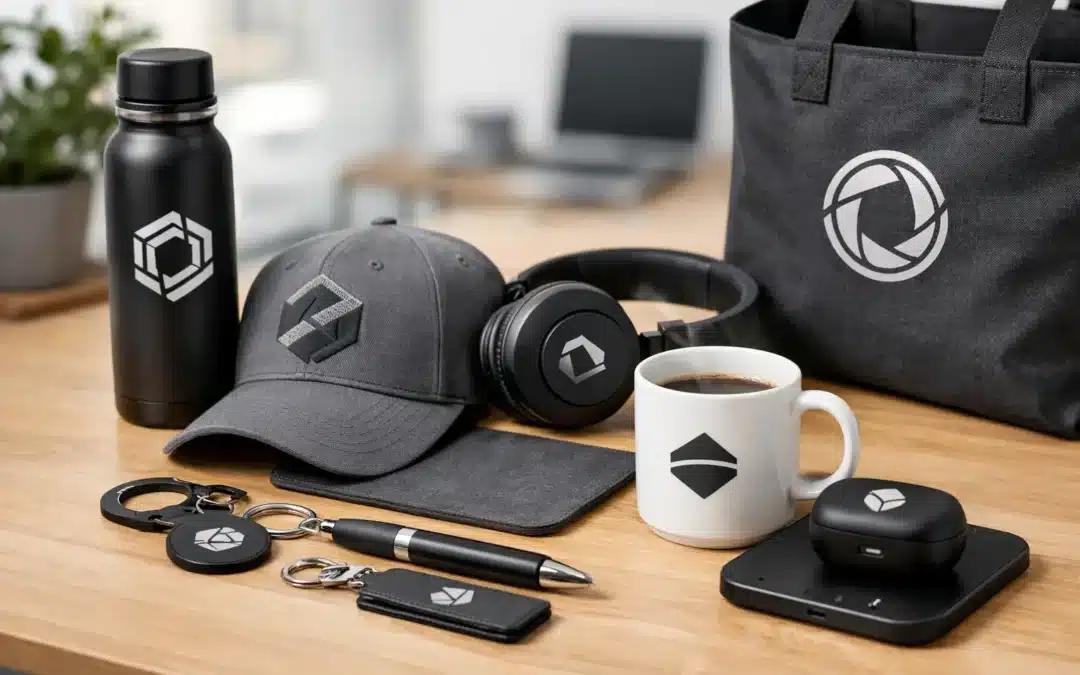
A promotional pen that works when a customer needs it, a drink bottle used at training each week, or a smart lanyard worn across a busy trade show does more than carry a logo. It puts your organisation in front of people repeatedly, in a useful and credible way. The best branded merchandise is not chosen because it is cheap or available. It is chosen because it suits the recipient, the occasion and the job your brand needs it to do.
For Australian businesses, schools, clubs and event organisers, this is where a little planning pays off. A well-produced item can make a first impression, reward a volunteer, support a fundraiser or keep your business visible long after an event has finished. A poorly matched item, on the other hand, is likely to be left in a drawer or thrown away.
Why branded merchandise still earns its place
Digital marketing is fast, targeted and necessary, but physical products offer something different: a real reminder that stays in people’s hands, bags, kitchens, desks and cars. A useful promotional item is often seen many times over its life. That repeated exposure helps build familiarity, particularly for local businesses and organisations that rely on trust and recognition.
The value is not limited to customer giveaways. Branded products can create a more professional and connected experience for staff, members, volunteers and guests. Matching badges, beanies, scarves or lanyards help a team look organised. Printed notebooks and pens make a conference pack feel complete. Quality drinkware or commemorative items can recognise a milestone in a way that an email simply cannot.
The key is relevance. A café may get better value from reusable cups, loyalty cards and takeaway accessories than from a premium corporate gift. A sporting club may need supporter scarves, patches, drink bottles and presentation items. A trade business might choose practical keyrings, stubby holders, pens and worksite signage. The product should make sense for the people receiving it.
Choosing branded merchandise for the occasion
Start with the purpose rather than the catalogue. Are you trying to attract new enquiries, thank existing clients, equip a team, sell merchandise, raise funds or make an event easier to manage? The answer will narrow the product range and help you spend where it matters.
For high-volume promotions, smaller useful items are often effective. Pens, keyrings, magnets, notebooks, lanyards and stubby holders are familiar choices because they are easy to distribute and suit a broad audience. They work well for open days, community events, exhibitions and customer counters, particularly when you need a practical item within a defined budget.
For staff recognition or valued clients, quality carries more weight than quantity. Consider premium drinkware, branded mugs, lapel pins, aluminium coasters or a well-presented gift set. These products have a higher unit cost, but they can feel more considered and are more likely to remain in use. It depends on the relationship and how many recipients you need to reach.
Events have their own requirements. Lanyards, name badges, banners, balloons and printed materials do practical work on the day by helping people find their way, identify organisers and remember sponsors. After the event, products such as tote bags, notebooks and drink bottles can continue the visibility. Planning these items together also gives the event a consistent look rather than a collection of unrelated logos and colours.
Match the product to its working life
Ask one straightforward question: where will this product be used? A mug is seen at home or in an office. A pen travels through meetings and reception desks. A beanie may be worn outdoors through winter. A banner has to be legible from a distance, while a lapel pin has to look sharp at close range.
This affects product selection, artwork and decoration method. Fine details that look good on a business card may not reproduce clearly on a small keyring. A wide logo may suit a banner or notebook better than a narrow drink bottle. Product shape, print area and material all influence the final result, which is why it helps to involve your supplier before committing to quantities.
Get the branding details right before production
Your logo is only one part of the artwork. The final product also needs the right colours, readable text and enough clear space for the design to work. A crowded layout can reduce impact, especially on smaller products. In many cases, a strong logo and a simple web address, phone number or event name will achieve more than trying to include every service you offer.
Colour matching deserves attention too. Brand colours can shift across materials and print methods. Ink on a cotton tote bag will not always look identical to printing on metal, ceramic or plastic. If exact colour is central to your brand, provide the appropriate colour references and discuss what is achievable on the selected item. A reliable supplier will explain those production considerations clearly, rather than promising an unrealistic result.
Artwork quality also matters. Low-resolution files, screenshots and copied images often produce soft or jagged printing. Vector artwork is generally the best option for clean logo reproduction and can be scaled for different products. If your files need work, artwork assistance early in the process can prevent delays and avoid unnecessary changes after production has begun.
Keep brand consistency practical
Consistency does not mean every item must look identical. It means your logo, colours, type and message are recognisable wherever they appear. A subtle single-colour logo may be right for a premium metal pen, while a brighter full-colour design may suit an event banner or promotional balloon. Both can still feel like part of the same organisation.
If you are ordering several items for one campaign, review them as a group. Check that colours sit well together, names and contact details are current, and the tone is appropriate for the audience. This is particularly useful for clubs and schools, where merchandise, uniforms, event material and fundraising products may be ordered at different times by different people.
Balance cost, quality and quantity
The lowest unit price is not always the best value. A very cheap item that fails, looks poorly printed or has no practical use can reflect badly on your organisation. At the same time, premium products are not necessary for every campaign. The right balance depends on your goals, audience and distribution plan.
Quantity has a major effect on pricing because setup and decoration costs are spread across the order. Ordering too few can make a product expensive per unit, while ordering too many can leave you with cartons of dated or unwanted stock. Estimate realistically: consider attendance numbers, staff headcount, expected customer traffic and whether products will be sold, given away or held for future use.
It is also worth considering product durability. Reusable drinkware, quality notebooks and sturdy bags may cost more upfront, but their longer working life can create more brand exposure. For one-day promotions, affordable pens, badges or balloons may be the better commercial choice. There is no single best product, only the best fit for the campaign.
Plan early enough to protect your deadline
Custom merchandise has several stages: product selection, artwork approval, production and delivery. Each stage takes time, and special products, large quantities or complex decoration can require additional lead time. Leaving the order until the final week limits your options and can increase pressure on everyone involved.
For an event, work backwards from the date the products must be in hand, not the date they are being distributed. Allow time to review artwork, make decisions internally and check delivered goods before they are packed for the venue. If you have a firm launch date, school presentation, conference or seasonal campaign, mention it at the start of your enquiry.
Good project coordination is particularly valuable when you need more than one product. Rather than dealing with separate suppliers for banners, badges, printed stationery and giveaways, a total image solution can keep the artwork, colours, quantities and delivery schedule aligned. ABC2000 helps customers manage that process across everyday promotional products and specialist custom items, with practical guidance from initial requirements through to production.
Make every item feel considered
The strongest promotional products are not necessarily flashy. They are useful, well made and clearly connected to the people receiving them. A dependable pen at a local business counter, a supporter scarf at a winter match or a commemorative teaspoon marking an anniversary can all carry more meaning than a generic giveaway.
Before placing your next order, think about the moment the recipient will use the item and what you want them to remember. Choose a product that fits that moment, give the artwork the attention it deserves, and allow enough time for quality production. That is how branded merchandise becomes a practical investment in recognition, loyalty and a professional image.