
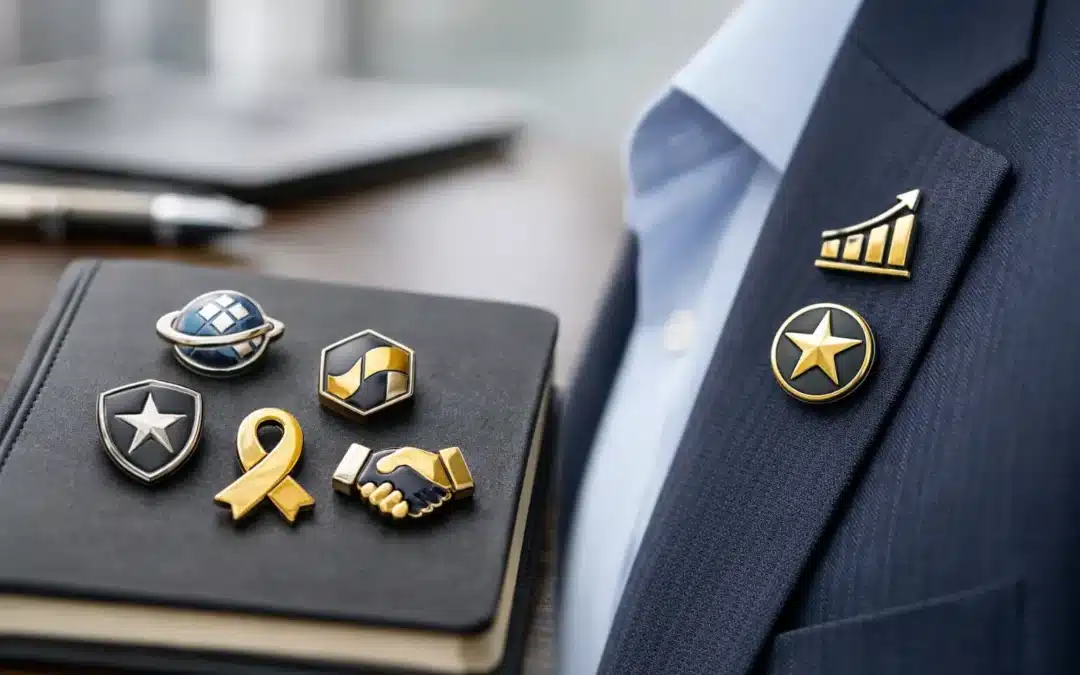
A lapel pin is a small item, but it is usually viewed at close range. On a blazer at an awards night, a staff uniform at a trade show or a club jacket at a community event, poor detail is obvious. Choosing branded lapel pins starts with understanding how and where people will wear them, then selecting a style that presents your logo clearly without stretching the budget.
For Australian businesses, schools, associations and clubs, custom pins can do more than carry a logo. They can recognise years of service, identify committee members, support a fundraising campaign or give an event a polished, consistent look. The best result comes from matching the pin to its purpose rather than simply selecting the cheapest option.
Start with the job your lapel pin needs to do
A promotional pin for a one-day conference has different requirements from a commemorative pin intended to be kept for years. Before discussing metal finishes or artwork, decide what success looks like. Is the pin a staff identifier, a retail item, a membership symbol, an award or a keepsake?
Pins for formal recognition generally benefit from a refined metal finish, strong fastening and individual presentation. A larger order for volunteers or attendees may call for a simpler design that keeps unit costs manageable while still looking professional. If the pin will be sold or issued as part of a limited campaign, perceived quality matters more because it represents the value of the organisation behind it.
Think about the wearer too. A pin worn on a suit lapel can be smaller and more detailed than one intended for a thick polo shirt, cap or scarf. If people will wear it for a full working day, a secure backing and comfortable profile should be part of the brief.
Choosing branded lapel pins by style and finish
The style of pin affects colour accuracy, texture, durability and price. There is no single best option. The right choice depends on the artwork, the intended audience and the quantity required.
Soft enamel for bold, textured colour
Soft enamel pins have coloured enamel recessed below raised metal lines. This creates a tactile finish and gives clear separation between colours, making it a practical choice for logos, mascots and designs with defined outlines. They are popular for clubs, schools, events and merchandise because they provide a strong branded look at a sensible cost.
The raised borders are part of the design, so soft enamel works best when the artwork can be simplified into solid sections. Fine gradients, tiny text and photographic images are not suited to this method.
Hard enamel for a smooth premium result
Hard enamel is polished level with the metal edges, creating a smooth, jewellery-like surface. It is a strong option for service awards, corporate presentation, anniversaries and pins that need to feel more formal. The finish is durable and polished, although it can cost more than soft enamel and may require slightly simpler artwork.
A hard enamel pin is often worth considering when the item will be retained for a long time or handed to senior staff, sponsors and special guests. It signals care without needing an oversized design.
Die-struck metal for understated branding
Die-struck pins use raised and recessed metal rather than coloured enamel. Antique gold, antique silver, polished nickel and brass finishes can give a classic appearance, particularly for heritage organisations, professional associations and commemorative occasions.
This approach relies on shape, contrast and texture instead of colour. It is ideal for a clean logo or emblem but less effective if your branding depends on several bright colours. A lightly antiqued finish can make recessed detail easier to see, while polished metal offers a sharper contemporary look.
Printed pins for detailed artwork
When your design includes fine lines, gradients, small text or multiple colours, a printed pin may be the most accurate route. The artwork is printed onto the pin face and often protected with a clear epoxy coating. This allows more visual detail than enamel, but it does not create the raised metal texture of a traditional enamel pin.
Printed designs are useful for campaign artwork, event logos and illustrations. They need careful artwork preparation, as small type can still become difficult to read at pin size.
Get the size and shape right before approving artwork
Most lapel pins are compact, commonly around 20 to 30 mm, because they need to sit neatly on clothing. However, the right size depends on the level of detail. A detailed crest may need more space than a simple wordmark or icon. Reducing a busy design to a very small pin can turn clean brand elements into a blur.
Custom shapes can add recognition. A pin cut to the outline of a logo, product, mascot or local landmark is often more memorable than a standard circle or rectangle. The trade-off is that irregular shapes may be more complex to produce and can make very fine edges vulnerable. Where budget is tight, a standard shape with a strong enamel design can still look excellent.
Ask to see artwork at actual production size, not only enlarged on a screen. Check that text is readable, gaps between colours are clear and small details have not disappeared. This is particularly important for organisations with established brand guidelines or logos containing a tagline.
Match colours and metal plating to your brand
Colour matching is one of the most common concerns in custom merchandise. For enamel pins, provide approved brand colours or Pantone references where available. Colours on a monitor, mobile or office printer are not a reliable guide to a finished physical product.
The metal plating also changes the overall feel of the pin. Gold can add warmth and suit formal or heritage branding. Silver and nickel are clean, versatile choices for corporate identities. Black nickel offers contrast for modern designs, while antique finishes can make engraved features stand out.
Avoid selecting a plating colour only because it looks attractive in isolation. Consider how it works beside your logo colours and the garments people are likely to wear. A dark metal border may disappear against navy fabric, while a bright polished finish can lift a simple one-colour design.
Choose a fastening that suits real-world use
The backing is easy to overlook until pins start falling off, catching on clothing or spinning out of position. Butterfly clutches are widely used, economical and suitable for many standard lapel pins. For a larger, heavier or frequently worn pin, a rubber clutch, safety pin fitting or more secure locking option may be a better choice.
Single-post pins can rotate, especially when attached to thicker fabric. A second post helps keep a wider design straight and is worth considering for name bars, flags and horizontal logos. If the pin is being issued to volunteers, school groups or event attendees, choose a fastening that is straightforward to use without compromising security.
Plan quantity, timing and presentation together
Unit pricing generally improves as quantities increase, so it is sensible to consider likely future use before placing an order. Ordering exactly enough for a launch can lead to a second small production run later, often at a higher per-unit cost. At the same time, ordering far more than needed can tie up funds and leave dated campaign pins sitting in storage.
Build in time for artwork approval, sampling where required, production and delivery. If pins are needed for an annual dinner, conference or opening event, work backwards from the date and allow room for adjustments. Last-minute changes to a logo, finish or delivery address can put unnecessary pressure on the project.
Presentation can also lift the impact of the finished item. A simple backing card is useful for retail, fundraising or information-heavy campaigns, while individual boxes may suit awards and premium gifts. Include presentation needs in the original quote request, as packaging affects both budget and delivery planning.
Give your supplier a clear brief
A useful enquiry includes the quantity, required date, preferred pin size, intended use, artwork files and any colour or finish preferences. If you are unsure about style, explain the audience and the budget range instead. A capable supplier can recommend an option that balances appearance, wearability and cost.
ABC2000 helps customers coordinate custom branding across lapel pins and the wider event or promotional range, which can make it easier to keep colours, artwork and delivery schedules aligned. The earlier production questions are resolved, the more confidently you can approve the final design.
A well-chosen lapel pin should feel intentional when someone receives it. Give the design enough room to be recognised, choose a finish that suits the occasion and allow enough lead time for careful production. That small detail can become a lasting marker of team pride, service or belonging.