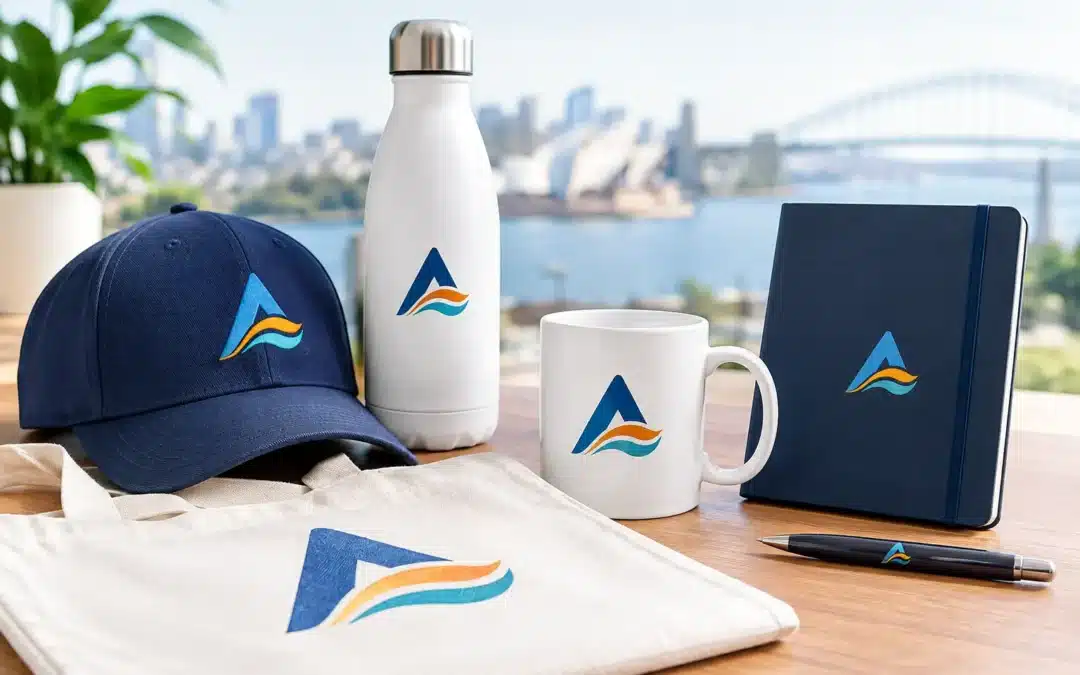
A cheap giveaway that ends up in a desk drawer is no longer enough. Australian businesses, schools, clubs and event organisers are putting more thought into what their branded products say about them, how long they will be kept, and whether they genuinely help people. The future of branded merchandise is not about putting a logo on more items. It is about choosing useful products, getting the branding right, and delivering them at the moment they will have the most value.
For organisations working with real budgets and firm event dates, that shift is good news. Well-selected merchandise can still deliver lasting visibility, strengthen team identity and make an event feel more professional. The difference is that every item needs a clear purpose.
The future of branded merchandise is more considered
Promotional products have always worked because they are physical. A pen used in a meeting, a drink bottle carried to sport, or a tote bag taken to the shops keeps a brand in view without asking the recipient to click, scroll or subscribe. That practical, repeat exposure remains valuable.
What is changing is the standard customers apply. Recipients are more selective about what they take home, while buyers are under greater pressure to demonstrate value for money and reduce unnecessary waste. A generic giveaway may suit a high-volume public event, but it is less likely to build goodwill if it has no useful life beyond the day.
The strongest branded merchandise now sits at the intersection of usefulness, relevance and quality. A café may choose reusable cups for regular customers. A construction business may need durable drinkware, worksite notebooks or safety-minded apparel. A school or sporting club may get more value from scarves, beanies, badges or patches that create belonging as well as visibility.
This does not mean every campaign needs an expensive premium item. It means the product should suit the audience. For a conference with hundreds of attendees, a reliable branded pen and lanyard may be exactly right. For staff recognition, a well-finished lapel pin, insulated tumbler or commemorative item can carry more meaning. The right choice depends on who will receive it, where they will use it, and what you need it to achieve.
Useful products will beat novelty products
Novelty still has a place, particularly when it supports a campaign theme or gives an event a point of difference. But practical products tend to stay in circulation longer. That is why drinkware, notebooks, keyrings, bags, pens and stubby holders continue to be dependable choices for Australian organisations.
The question is not simply, “What is popular?” It is, “What will this group actually use?” A mobile workforce may appreciate a quality travel mug or charging accessory. Members of a community club may value a scarf or beanie they can wear on game day. Visitors to a trade show may be more likely to keep a compact notebook than another item that has no obvious purpose.
Usability also shapes the branding itself. A small logo printed clearly in the right position can look more professional than an oversized design forced onto an unsuitable surface. On items such as mugs, aluminium coasters, lanyards and pens, print area, material and production method all affect the final result. Brand execution is not an afterthought. It is central to whether the merchandise looks like a worthwhile investment.
Quality is part of the message
When someone receives a branded product, they make a quick judgement about the organisation behind it. A lid that leaks, a pen that skips or a poorly matched logo colour can undermine an otherwise positive interaction. By contrast, an item that feels solid and functions as expected reinforces care and credibility.
That is particularly relevant for professional services, member organisations and businesses using merchandise as a client gift or staff reward. In these settings, fewer better-quality items can be more effective than a large quantity of low-cost stock. The budget may be higher per unit, but the item is more likely to be retained and used.
For high-volume campaigns, quality still matters, but it needs to be balanced with price and distribution. The sensible approach is to set a realistic budget, identify the non-negotiables, and choose a product that performs well within those limits. Experienced guidance on materials, artwork and decoration options can prevent costly surprises later.
Sustainability will be judged by the whole decision
Sustainability is becoming a more regular part of merchandise planning, but buyers should look beyond broad claims. A reusable item is only a better choice if it is used repeatedly. A product made from recycled material may be suitable for one audience, while a long-lasting conventional item may make better practical sense for another.
The most responsible choice is often the one with a clear purpose, a reasonable lifespan and no excess quantity. Ordering 5,000 items because the unit price looks attractive can create waste if only half are distributed. Ordering closer to actual attendance or membership numbers may cost slightly more per item but reduce leftover stock and storage issues.
Product selection, decoration and packaging all matter. Natural-look materials, reusable drinkware and durable bags are popular options, but they should still reflect the organisation and intended use. A premium reusable bottle can be ideal for employee onboarding or a fitness event. It may not be the right fit for a quick community fundraiser where affordable pens, badges or balloons will reach more people.
Australian buyers are also paying closer attention to supplier communication. They want to know what is achievable, what lead time is required, and whether artwork will reproduce accurately. Clear advice is more valuable than a vague promise of an eco-friendly or premium result.
Smaller runs and specific audiences are growing
The future is not only about large promotional campaigns. More organisations are using smaller, better-targeted merchandise runs for particular groups: new staff, loyal customers, volunteers, sponsors, conference speakers or major donors.
This approach allows the item to feel more relevant. A club can produce commemorative teaspoons or lapel pins for an anniversary. A local business can create branded mugs for a customer appreciation campaign. An event organiser can give sponsors a distinctive item that recognises their contribution without using the same product handed to every attendee.
Personalisation can add value here, but it needs to be managed carefully. Names, individual roles or event dates can make an item more memorable, yet they may reduce its flexibility if plans change. For products intended for ongoing use, a clean logo and adaptable design may be the safer option. For a once-only celebration, dated artwork can become part of the appeal.
Brand consistency still matters
More choice can make branded merchandise more effective, but it also creates more room for inconsistency. Logos should be supplied in suitable artwork formats, colours should be checked against the chosen material, and all campaign items should feel like they belong together.
A trade show package, for example, may include banners, business cards, lanyards, drinkware and giveaway items. They do not need identical artwork, but they should use the same approved logo, colour direction and message. Managing these details through one experienced supplier can reduce back-and-forth and help avoid the common problem of separate products arriving with mismatched branding.
At ABC2000, this is where a total image solution is practical rather than just a slogan. Coordinating product choice, artwork support, decoration and delivery gives buyers a clearer path from initial idea to finished merchandise, especially when an event deadline is fixed.
Technology will improve ordering, not replace advice
Online catalogues, digital proofs and faster production systems have made it easier to compare options and begin an order. That is useful, particularly for repeat purchases and straightforward products. But technology cannot fully replace the practical questions that determine whether an item works.
Will the logo remain legible on a curved surface? Is the requested quantity realistic for the required delivery date? Does the product colour work with the brand palette? Is the print method suitable for fine detail? These are production questions, not just shopping questions.
The best buying experience will combine efficient tools with a person who understands merchandise production. For office administrators, volunteer committee members and small business owners, that support can save time and prevent a rushed decision becoming an expensive mistake.
Plan merchandise around the moment it will be used
The most successful merchandise is planned from the recipient backwards. Start with the moment: a welcome pack, a staff milestone, a community event, a product launch, a fundraiser or a trade show. Then consider what the person will be doing when they receive the item and what would be genuinely useful in that setting.
Allow enough time for artwork checks, product selection, production and scheduled delivery. Popular event products and custom specialist items can require more lead time than standard stock, particularly around busy periods. Early planning also gives you room to compare alternatives if your first option does not suit the budget or deadline.
The future of branded merchandise belongs to organisations that treat physical products as part of their brand experience, not an afterthought. Choose an item people will want to keep, make sure it represents your organisation well, and give it to them when it can do its job.