
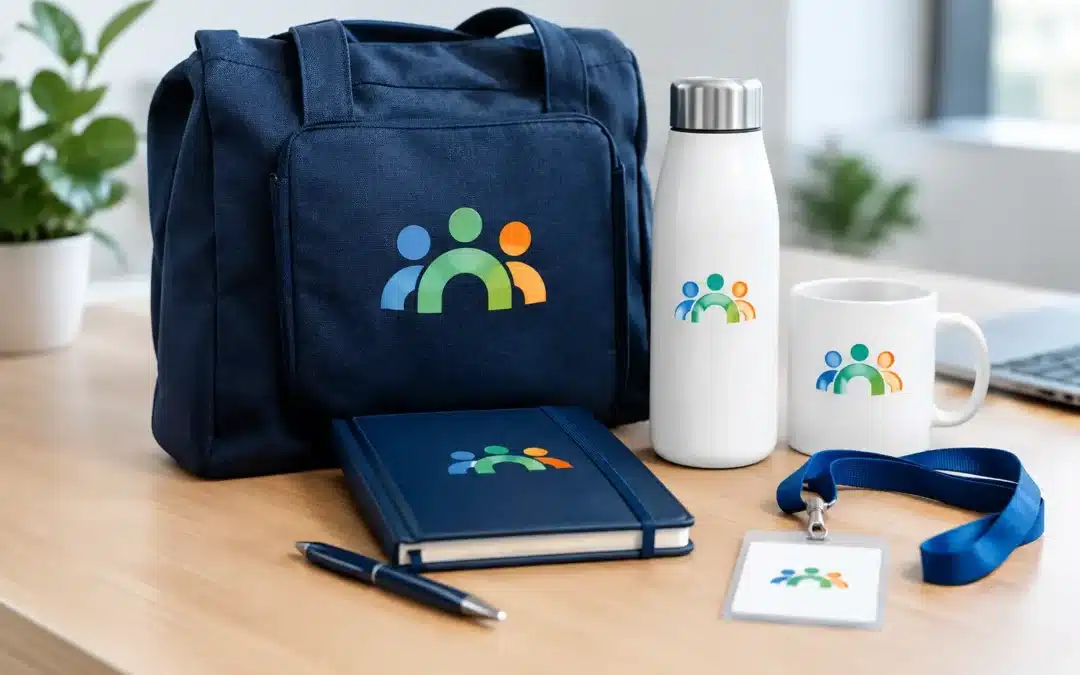
A new starter’s first day is full of small signals. Is their desk ready? Do they know where to go? Has the business made an effort to welcome them? Planning staff onboarding packs gives organisations a practical way to answer those questions before a manager says a word. A well-chosen pack makes the first day feel organised, reinforces your brand and provides items people can use straight away.
For Australian businesses, schools, clubs and associations, onboarding packs do more than look professional. They reduce the scramble for basic supplies, help people feel part of the team and create a consistent experience across every new employee, volunteer or contractor.
Start with the job, not the giveaway
The strongest onboarding packs are built around the role a person is stepping into. A warehouse team member, a client-facing consultant and a school staff member may all appreciate branded merchandise, but they will not need the same things.
Start by considering where the person will work, what they need in their first week and what your organisation wants them to remember. A pen and notebook suit most workplaces because they are immediately useful for inductions, training notes and meetings. A drink bottle or reusable coffee cup can be a good fit for teams on the road, on site or moving between locations. Lanyards and name badges make sense where access cards, identification or events are part of daily work.
The aim is not to fill a box with as many items as possible. A smaller pack of useful, quality products usually makes a better impression than a large collection of items that end up in a desk drawer. This is especially relevant when budgets are tight or when staff numbers change often.
What to include in staff onboarding packs
Most organisations benefit from a reliable core pack that can be ordered in advance, then adjusted for particular departments. Branded stationery remains a practical starting point: a quality pen, notebook and folder support training and everyday administration while putting your logo in regular view.
Drinkware is another popular choice. Branded mugs work well in office environments, while reusable bottles, tumblers and travel cups are useful for field teams, commuters and staff who spend time in meetings. The right option depends on your workplace culture and how people work, rather than simply choosing the lowest-cost item.
For organisations with uniforms, events or a strong team identity, apparel accessories can add value. Branded caps, beanies, scarves or badges can be suitable for outdoor teams, clubs and seasonal campaigns. Lanyards, keyrings and ID holders are compact additions that make sense where security passes and keys are issued.
A typical onboarding pack might include four or five practical products, along with an induction document, welcome letter or key contacts sheet prepared by your team. The printed and promotional components should support the information you already provide, not replace it.
Choose products people will keep using
Use is the real measure of promotional value. If a notebook stays on a desk for months, a bottle goes to the gym or a branded mug becomes someone’s regular tea cup, your organisation remains visible in an everyday and positive way.
Quality matters here. A cheap pen that stops working, a bottle with an awkward lid or a poorly printed logo creates the wrong impression. You do not necessarily need premium products for every item, but each product should be fit for purpose and feel appropriate to the standard your organisation wants to represent.
It is also worth considering sustainability, but avoid treating it as a token gesture. Reusable drinkware, durable notebooks and products designed for long-term use can reduce waste when they genuinely suit the recipient. If disposable items are likely to be thrown away, they are unlikely to support either your budget or your brand.
Keep branding consistent and practical
An onboarding pack is often one of the first physical expressions of your organisation a new employee receives. Your logo, colours and messaging should therefore be consistent across the pack, from the notebook cover to the lanyard or drinkware.
That does not mean placing a large logo on every available surface. In many cases, a clean logo treatment with the right brand colours looks more professional and is more likely to be used outside the workplace. A subtle logo on quality drinkware may have more long-term value than oversized artwork on a novelty item.
Artwork setup needs early attention. Supply the best version of your logo available, preferably a high-resolution or vector file, and confirm the correct brand colours before production begins. Different materials and decoration methods can affect how colours reproduce. Printing on paper, engraving on metal and branding on fabric will each have different practical limits.
A hands-on supplier can help match product and decoration method to your artwork. This is particularly helpful where your logo includes fine detail, gradients or several colours. It is better to resolve these questions before approving production than to discover late in the process that the artwork needs simplifying.
Plan quantities around hiring patterns
Ordering exactly one pack per expected new starter can look efficient on paper, but it often causes trouble in practice. A surprise hire, replacement staff member or late contractor can leave your team searching for mismatched items at short notice.
Consider holding a modest buffer of core products, particularly items with long shelf life such as pens, notebooks, lanyards and mugs. For apparel or products with names and roles printed on them, ordering closer to confirmed numbers may be the safer approach.
The best quantity depends on your recruitment cycle. A growing business with regular monthly starters may benefit from a standard pack and repeat ordering schedule. A club that inducts volunteers before one major event may be better served by a larger, time-specific order. Schools and associations may need packs linked to the term calendar or annual membership period.
Seasonality also affects product decisions. Beanies are useful for winter outdoor crews, while drink bottles may be more relevant for summer events. Working backwards from the required delivery date gives time for artwork approval, production and delivery, rather than turning a welcome gesture into a last-minute rush.
Make packing and distribution easy
A good pack can lose its impact if it arrives in a loose pile of products with no thought to presentation. Simple packaging, such as a branded tote bag, presentation box or neatly packed folder, makes items easier to hand over and gives the recipient a clear sense that the organisation has prepared for their arrival.
However, packaging should suit the situation. A polished presentation box may be worthwhile for executive appointments, client-facing roles or smaller intakes. For high-volume inductions, a practical branded bag may be more affordable and easier to store. The right answer depends on your budget, available storage and how often packs are issued.
Assign a clear internal owner for stock and pack assembly. This could be an office manager, HR coordinator or team leader. Keep a simple checklist of what goes into each pack, where stock is held and when replenishment is needed. Consistency is easier to maintain when the process is documented.
Use onboarding packs to strengthen team culture
The most effective onboarding packs connect practical needs with belonging. They show that a new employee is not an afterthought and give them everyday items that carry your organisation’s identity into meetings, lunch breaks, site visits and events.
ABC2000 can help organisations bring the process together by sourcing branded stationery, drinkware, lanyards, apparel accessories and specialist promotional products through one experienced supplier. Coordinating products, artwork and production in one place can make it easier to maintain a consistent look and meet an induction deadline.
Before placing an order, put one question to the test: would a new starter be pleased to take these items home or use them in their normal working day? If the answer is yes, you are not just handing out merchandise. You are giving them a useful welcome and a confident first impression of the team they have joined.