A box of event giveaways that arrives late, with a blurry logo or the wrong shade of blue, is more than an inconvenience. It puts pressure on the person responsible and weakens the professional impression your organisation has worked to build. This branded merchandise for organisations guide is designed to help Australian businesses, clubs, schools and community groups choose products that look right, arrive when needed and earn their place in the budget.
Promotional merchandise works because it makes a brand physical. A useful pen stays on a desk. A drink bottle goes to the gym, the office or weekend sport. A badge, scarf or lapel pin gives members a visible connection to a group. The best result is rarely about selecting the cheapest item or the most unusual one. It is about matching the product, audience, artwork and deadline.
Start with the job the merchandise needs to do
Before comparing products, be clear about the outcome. Merchandise for a trade show has a different purpose from staff uniforms, school fundraising items or commemorative gifts. The item needs to suit the moment in which it will be received and used.
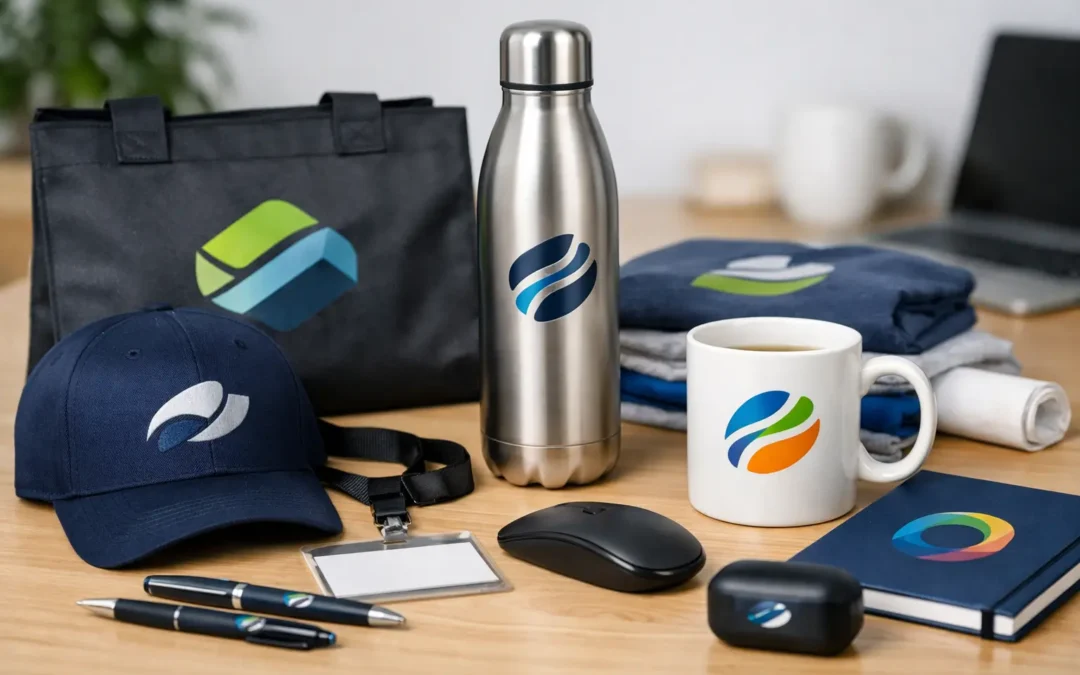
For customer awareness, choose products with everyday usefulness and a clear branding area. Pens, mugs, keyrings, notebooks and drinkware are reliable choices because they tend to remain in circulation. For an event, consider what helps people participate or remember the day, such as lanyards, badges, balloons, stubby holders or branded scarves. For staff and member recognition, higher-perceived-value items such as lapel pins, aluminium coasters or commemorative teaspoons can feel more personal and lasting.
There is no single right product for every organisation. A professional services firm may be better served by quality notebooks and pens than novelty giveaways. A sporting club may get better value from beanies, patches and scarves that supporters will wear. The practical question is simple: will the recipient use, keep or proudly display it?
Set a budget that considers the full order
The unit price is only one part of the cost. Custom merchandise is produced to a specification, so quantity, decoration method, number of print colours, artwork preparation, packaging and delivery timing can all affect the final figure. A low-priced product can become poor value if it is unsuitable for the audience or if the logo treatment looks compromised.
A useful approach is to divide your budget into three groups: broad-reach giveaways, functional items for priority customers or staff, and special pieces for recognition or milestones. This allows an organisation to put more volume behind everyday promotional products while reserving part of the budget for items with a stronger perceived value.
Quantity also matters. Ordering too few can increase the cost per item, while ordering far more than you can store or distribute creates waste. Consider the expected attendance at an event, the size of your team, likely new-member numbers and whether the product can be used again at future activities. If demand is uncertain, a versatile product in a timeless design is usually a safer choice than merchandise tied tightly to one date or campaign.
Choose products people will genuinely use
Useful merchandise generally delivers the longest brand exposure. Drinkware, mugs, pens, notebooks and keyrings suit a wide range of recipients and can work across offices, schools, clubs and community events. They are familiar products, which makes them easy to distribute without lengthy explanation.
That does not mean every item needs to be purely practical. Event merchandise can create atmosphere and belonging. Branded balloons lift the look of an opening, fundraiser or family day. Lanyards help with identification while keeping a sponsor or organisation visible. Patches, beanies and scarves give supporters something they can wear beyond the event itself.
When selecting an item, think about the recipient’s setting. Will they use it at a desk, on site, in a car, at training or at home? Does it need to fit in a bag? Is it likely to be handed to adults, children, volunteers, clients or a mixed crowd? A product that suits real life will normally outperform something chosen only because it looks impressive in a catalogue.
Get the branding details right
A great product cannot rescue poor artwork. Your logo needs to be supplied in a suitable format and assessed for the available print area. Fine lines, small text and subtle colour gradients may not reproduce well on every material or decoration method. A simple, confident logo treatment is often more effective than trying to fit every message, phone number and social media handle into a small space.
Keep brand colours consistent wherever possible, but allow for practical limits. Printing on a curved mug is different from branding a fabric scarf or engraving a metal coaster. The base colour of the product can also affect the way inks appear. If an exact corporate colour is essential, raise it early so the supplier can advise on the best product and method.
It is also worth considering how far away the item will be seen. On a banner, a short message and strong logo may need to be readable from across a room. On a pen or lapel pin, clean branding is more important than detailed copy. Requesting artwork support and approval before production reduces the chance of an avoidable surprise when the goods arrive.
Keep one campaign visually connected
If you are ordering several items for an event or program, use a consistent logo position, colour palette and message. A lanyard, banner, badge and notebook do not need identical artwork, but they should clearly belong together. This makes a modest set of products feel considered and professional.
Allow enough time for production and delivery
Deadlines are one of the biggest factors in successful promotional merchandise. Artwork approval, stock availability, customisation and freight all need to be allowed for. Leaving the order until the final week can limit the product range, rush decisions and add unnecessary cost.
Start by working backwards from the date the goods must be in your hands, not the event date. You may need time to pack attendee bags, distribute staff items or send stock to several locations. Build in a buffer for approvals and any changes to artwork. This is especially relevant for conferences, school terms, fundraising campaigns, annual presentations and end-of-year events, when demand can be high.
Clear communication helps throughout the process. Provide your required quantity, delivery location, deadline, logo files and a brief explanation of how the item will be used. The more complete the initial information, the easier it is to recommend suitable options and keep production on schedule.
Work with a supplier that can coordinate the whole job
Managing separate suppliers for printing, event displays, branded gifts and apparel accessories may seem economical at first, but it can create extra admin and inconsistency. A supplier with broad product knowledge can help you compare options, review artwork, coordinate production and keep the order moving.
For organisations with varied needs, this is particularly useful. A club may need supporter scarves, badges and sponsor banners. A business may need business cards, promotional drinkware and event giveaways. A school may need lanyards, patches and recognition items. Working with one experienced provider makes it easier to keep colours, timing and quality aligned across the order.
ABC2000 supports this kind of project with a broad range of promotional products, printing and display solutions, backed by hands-on guidance through the customisation process. The value is not simply having more items to choose from. It is having practical help to choose the right ones and manage the detail properly.
Branded merchandise for organisations is a long-term asset
The strongest promotional products are not treated as a last-minute giveaway. They are part of how an organisation presents itself to customers, staff, members and the broader community. A well-made item says that your group is organised, established and worth remembering.
Choose products that fit the people receiving them, protect the quality of your logo and give production the time it needs. When each decision has a clear purpose, even a simple branded pen, mug or badge can continue representing your organisation long after the first handover.