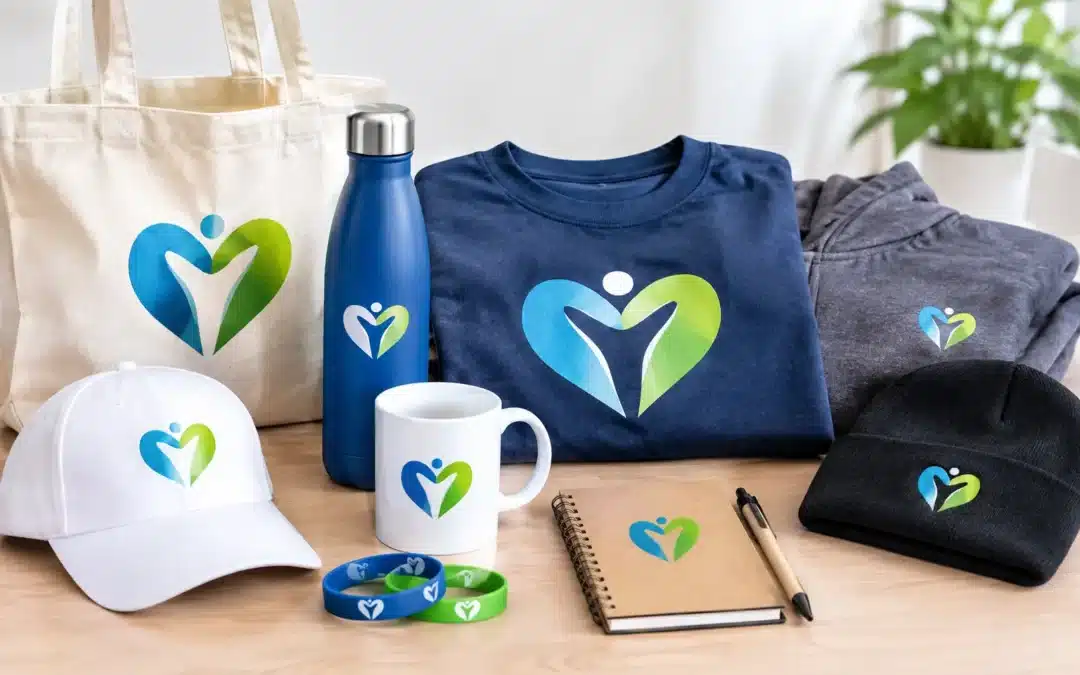
A raffle prize might bring people to the table once. Merchandise gives them a useful reason to support your cause, wear its name and keep the message visible long after the event is over. The best top fundraising merchandise ideas are not always the most unusual products. They are the items your supporters can afford, genuinely want to use and feel good buying.
For schools, sporting clubs, community groups and charities, the right merchandise can create steady revenue while building a stronger sense of belonging. The key is matching the product to your audience, your selling environment and the amount of lead time available for custom branding.
What makes fundraising merchandise worth buying?
A product needs to do more than carry a logo. It should have a clear purpose for the person handing over their money. A drink bottle used at training, a beanie worn at weekend sport or a tote bag carried to the shops offers ongoing value. Each use also gives your organisation extra visibility without another advertising cost.
Price matters, but cheap is not always profitable. A low-cost item with poor printing, thin materials or an awkward fit can damage confidence in the fundraiser. It is generally better to choose a practical item at a sensible price point, then order enough quantity to improve unit value without leaving the group with boxes of unsold stock.
Before selecting products, consider who is likely to buy. Parents at a primary school event may respond well to drinkware, stickers and practical bags. Adult club members may prefer premium polos, scarves or stubby holders. A corporate charity day can support higher-value items such as engraved drink bottles, notebooks or lapel pins.
Top fundraising merchandise ideas for Australian groups
1. Custom drink bottles
Branded drink bottles are a reliable choice for school communities, fitness challenges, sporting clubs and outdoor events. They are useful year-round, easy to display at a stall and suitable for a wide range of ages. Choose a sturdy material and a colour that works with your logo, rather than treating the bottle as a blank canvas for too much artwork.
For larger groups, consider offering a standard bottle at an accessible price and a premium insulated option for coaches, sponsors or major supporters. This gives buyers a choice without complicating the campaign.
2. Stubby holders
Stubby holders remain popular for adult fundraising events, local clubs, fishing competitions and community festivals. They are compact, affordable and easy for supporters to take home. A simple club logo, event date or limited-edition design usually works better than a crowded layout.
They are particularly effective when tied to a specific occasion, such as a reunion, annual fundraiser or milestone season. The product becomes a keepsake as well as a fundraiser.
3. Branded caps and beanies
Headwear has strong perceived value because it is wearable, visible and connected to group identity. Caps work well for outdoor sport, school fairs and volunteer teams, while beanies are an obvious choice for winter events, footy clubs and regional community groups.
Sizing is less complicated than clothing, but style still matters. Ask whether your supporters are more likely to wear a classic cap, a trucker cap or a cuffed beanie. Embroidery can provide a durable, professional finish for simple logos, while printed options may better suit detailed artwork or event designs.
4. Tote bags
A reusable tote bag is one of the most practical fundraising items for schools, libraries, markets and environmental campaigns. It has broad appeal, travels well and provides a generous branding area. Natural cotton or recycled-look materials can reinforce a sustainability message, provided that choice suits your budget and audience.
A bag should be designed for repeat use. Keep the artwork bold and legible from a distance, and avoid putting every sponsor logo on one side unless sponsorship recognition is the main purpose of the product.
5. Event T-shirts and polos
T-shirts can turn participants into a visible team at fun runs, charity walks, school productions and community events. Polos are better suited to committee members, volunteers and club officials who need a more polished uniform option.
Apparel has a higher potential return, but it also requires more planning. You will need to manage sizes, colours and order deadlines. Pre-orders reduce the risk of leftover stock and let you collect payment before production. For an event with a firm date, allow enough time for artwork approval, production and delivery rather than leaving the order until the final week.
6. Keyrings and badges
For a low-cost impulse purchase, keyrings and badges are hard to beat. They suit school stalls, open days, awareness campaigns and junior sporting groups, especially when many buyers are looking for something under $10.
These smaller products are also useful as add-ons. A family might buy a hoodie as their main purchase, then add a few badges for siblings or grandparents. That extra spend can make a meaningful difference across a busy event day.
7. Mugs and reusable coffee cups
Mugs are familiar, giftable and ideal for workplace fundraisers, school staff rooms and community groups with an older supporter base. Reusable coffee cups can be a stronger fit for commuters, office teams and environmentally minded campaigns.
Drinkware needs careful logo placement and colour selection. A design that looks excellent on screen may not read as clearly around a curved surface. Keep the message short, use high-contrast colours and seek artwork guidance before committing to production.
8. Scarves and supporter accessories
Scarves, branded ribbons and supporter accessories are particularly effective when group pride is part of the purchase. Think sporting finals, school house competitions, cultural celebrations and local awareness events. A scarf can carry colours, names and sponsor recognition while creating a strong visual effect in photos and at the venue.
This category is more specific than a pen or keyring, which is precisely its strength. It gives supporters a way to show they belong.
9. Promotional pens and notebooks
Pens and notebooks are dependable choices for conferences, school groups, business-backed fundraisers and community information days. They work best when paired together or included in a ticketed event pack, rather than sold as a stand-alone premium item.
Their value lies in reach. A well-made pen can pass through many hands, and a notebook may stay on a desk for months. For organisations seeking visibility as well as immediate funds, that extended exposure is useful.
10. Lanyards and name badges
Lanyards are a practical fit for school leadership programs, events, volunteer teams and conferences. They can also create a neat, organised look for a fundraising day where staff and helpers need to be easily identified.
Name badges offer a more permanent option for committees, service clubs and regular volunteers. They are not usually an impulse-sale product, but they can be part of a broader merchandise and recognition program.
11. Commemorative pins and patches
Lapel pins and embroidered patches work especially well for milestone campaigns, anniversaries, service recognition and collector-style fundraising. They can feel more special than general promotional items, which supports a higher selling price when the design has meaning.
Use them for a limited run, such as a centenary, a memorial appeal or a major club achievement. Numbered editions or annual designs can encourage repeat support, but only if the group has an audience that values collecting them.
12. Sponsor-supported merchandise packs
A merchandise pack can lift the average transaction while making purchasing easier. For example, a school fete pack might include a tote bag, drink bottle and badge. A club membership pack might combine a cap, stubby holder and keyring.
Sponsors can help offset production costs in exchange for discreet recognition on packaging or selected products. Be careful not to let sponsor branding overwhelm your cause. Buyers should still feel they are supporting the school, club or charity first.
Choosing the right products for your fundraiser
Start with the sales setting. Products sold face-to-face at a fete need to be easy to understand and carry away. Pre-order campaigns can support larger apparel ranges and more customised products. Online ordering may broaden your reach, but it also adds administration around sizes, payments and collection.
Then work backwards from your target. If you need to raise $5,000, calculate the likely profit per item and the number of units required. A $5 profit across 1,000 keyrings may be possible for a large school community, while a smaller club may be better served by 150 higher-margin beanies or polos.
Artwork is another practical consideration. Logos should be supplied in a clean, high-quality format where possible, with clear brand colours and any required sponsor approvals. Simple designs often reproduce better across multiple products. A supplier with in-house artwork support can help adapt a logo for embroidery, screen printing, digital print or other suitable decoration methods.
Plan early for a smoother result
Custom merchandise needs production time, particularly for apparel, embroidered products and specialised items. Build in time for artwork changes, committee approval and delivery before your launch date. Ordering early also gives you the chance to inspect stock, organise collection points and promote the products properly.
ABC2000 can assist Australian organisations with product selection, branding advice and coordinated production, helping take the pressure off volunteer committees and busy event organisers. A clear brief covering quantities, budget, logo files and required delivery date will lead to better recommendations from the outset.
The most successful fundraiser is usually the one that feels easy to support. Choose merchandise people will use with pride, present it well, and give your community a reason to come back for the next design.