
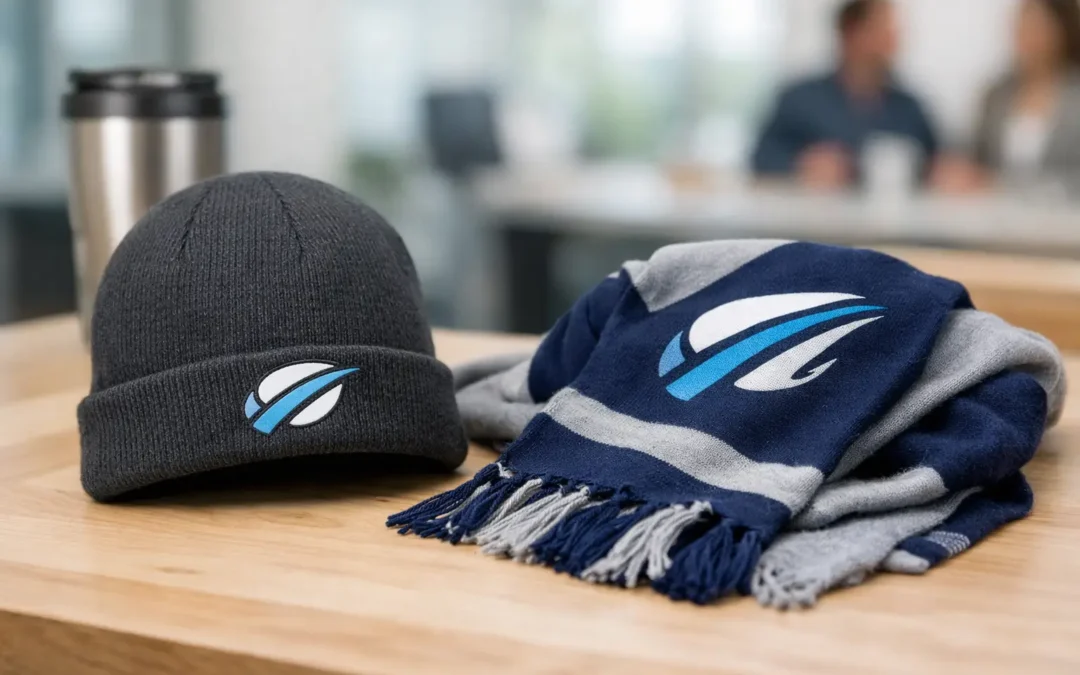
When the weather turns and people actually want to wear your branded merchandise, that is when promotional value stretches further. Promotional scarves and beanies work because they are useful, highly visible and tied to real-world wear – at sporting grounds, school functions, winter events, staff uniforms and community fundraisers. Instead of ending up in a drawer, they tend to be worn out in public, which gives your logo repeated exposure in a natural way.
For many organisations, winter merchandise fills a gap that pens, mugs and flyers cannot. A scarf or beanie is not just a giveaway. It can support team identity, improve presentation at outdoor events and create something people keep using after the campaign has ended. That practical value matters, especially when budgets need to work hard.
Where promotional scarves and beanies make the biggest impact
These products are especially effective when the wearer already has a reason to feel connected to a group. Sporting clubs are the obvious example. Supporters wear scarves and beanies as part of the match-day experience, and the item becomes a visible symbol of loyalty. Schools, community groups and associations can achieve a similar effect when colours, logos and messaging are handled properly.
Corporate use is also stronger than many buyers expect. Outdoor crews, event staff, volunteers and expo teams often need branded apparel that is practical without being overly expensive. A beanie can help create a more consistent staff look in colder conditions, while a scarf can add a polished layer for formal events, tourism promotions or seasonal campaigns.
There is also a retail and fundraising angle. Branded winter accessories are often easier to sell than novelty merchandise because buyers can justify the spend. If the product looks good and feels comfortable, it stops being a token item and starts behaving like merchandise people actively choose.
Why they deliver better long-term value
A lot of promotional products do one job well – they carry a logo. Scarves and beanies do that, but they also provide comfort, warmth and group recognition. That makes them more likely to be retained and reused. The more often an item is worn, the lower the cost per impression becomes.
Visibility is another advantage. A logo on a beanie sits at eye level. A scarf can carry larger branding, club colours or woven detail that is noticeable from a distance. At crowded events, these products help groups stand out without needing large-format signage on every person.
There is a quality factor as well. When a winter item is made properly, people notice. Soft yarn, solid stitching and clean branding say something about the organisation behind it. Cheap production can have the opposite effect. If a beanie loses shape quickly or a scarf feels scratchy, the brand message suffers. That is why product selection should not be separated from branding decisions.
Choosing the right style for the job
Not every campaign needs the same type of winter merchandise. The best choice depends on audience, use case and budget.
Beanies are usually the more flexible option. They suit staff, supporters, students and event attendees, and they are easier to fit because sizing is less complicated. They also work well when you want a clean embroidered logo on the front or a simple colour combination that matches your broader brand identity.
Scarves often carry more visual impact. They are ideal for clubs, supporter merchandise, schools and promotional campaigns where colours matter just as much as the logo itself. A scarf gives you more room for names, slogans, stripes and graphic treatments. If the goal is bold recognition at a distance, scarves often do more heavy lifting.
That said, it depends on how the item will be used. If you are supplying staff who need warmth on-site, a beanie may be the practical winner. If you are creating a supporter item that doubles as merchandise, a scarf can carry more emotion and more visible branding. In some cases, the best answer is a matching set.
Branding methods matter more than most buyers expect
The quality of the branding process can make or break the final result. A strong logo alone does not guarantee a strong product.
For beanies, embroidery is a common choice because it looks professional and holds up well. It suits simple logos and smaller branding areas. If the artwork is too detailed, though, fine elements may not reproduce clearly. That is where hands-on artwork guidance becomes valuable. Small adjustments can improve legibility without losing brand recognition.
Scarves open up different options, including woven-in designs and more integrated colour work. This can produce a stronger, more premium result than adding branding as an afterthought. For clubs, schools and event merchandise, woven designs often feel more authentic because the branding becomes part of the product itself.
Colour matching deserves proper attention too. Many organisations have established brand colours, team colours or sponsor requirements. Getting those colours close enough is not a minor detail. It affects professionalism, consistency and stakeholder confidence. For schools and clubs in particular, colour accuracy can be one of the first things people notice.
Getting the balance right between budget and presentation
Every buyer wants value, but the cheapest option is not always the most economical one. If a product looks poor, feels uncomfortable or wears out quickly, the promotional return drops with it.
A practical approach is to decide what matters most for the project. If you need a large quantity for a one-off winter promotion, a simpler style with clean branding may be the right call. If the products are being sold, issued to staff or used by members over multiple seasons, stepping up the material quality usually makes sense.
Presentation matters because these are wearable items. People judge them more like apparel than stationery. That means texture, fit, warmth and finish all influence whether the product is used regularly or ignored. Good merchandise earns repeat wear. Poor merchandise becomes dead stock.
Planning for events, clubs and seasonal campaigns
Timing is a major factor with promotional scarves and beanies. Demand tends to rise as cooler weather approaches, which means leaving orders too late can create pressure on approvals, production and delivery. If your item is tied to a major event, winter sports season or fundraising drive, planning ahead gives you better choices and fewer compromises.
This is particularly important where multiple stakeholders are involved. Schools may need committee approval. Clubs might need sponsor sign-off. Corporate teams may need artwork checks across several departments. Those steps are manageable, but they take time.
Experienced buyers know the product itself is only one part of the process. Artwork preparation, quantity planning, colour confirmation and delivery scheduling all affect the outcome. Working with one supplier that can guide those details reduces risk, especially when the deadline is fixed.
Promotional scarves and beanies for different audiences
For businesses, these products can support staff presentation, customer giveaways and seasonal brand campaigns. They are well suited to outdoor promotions, construction-related businesses, logistics, tourism and community-facing events where people are outside in cooler conditions.
For clubs and associations, they help build belonging. Members and supporters want items that look like they belong to the group, not generic merchandise with a logo added on top. Design quality matters here because pride drives wear.
For schools, winter accessories can support house identity, team participation and fundraising. They can also offer a practical branded item that students and families are more likely to use than a novelty product.
For event organisers, they solve two problems at once. They create visibility and provide comfort. That combination is especially useful for winter festivals, outdoor charity events and volunteer programs where branded apparel needs to work across long days and changing weather.
What to look for in a supplier
If you are ordering wearable branded products, reliability matters as much as price. You need clear advice on styles, branding methods, artwork suitability and lead times. You also need confidence that what is approved is what will be produced.
A supplier with broad experience across promotional merchandise can help you compare options in context rather than pushing a single product line. That matters when you are trying to align scarves or beanies with uniforms, event materials or wider campaign items. It is one reason organisations choose a service-led supplier such as ABC2000 – not just for the product itself, but for help managing the process properly from enquiry through to delivery.
The strongest results usually come from asking a few practical questions early. Who will wear the item? How often? Is it a giveaway, retail item or staff issue? Does the branding need to be subtle or bold? Once those points are clear, the right product becomes much easier to identify.
Promotional merchandise works best when it is useful enough to stay in circulation, and winter accessories do that job well. If you choose carefully, promotional scarves and beanies can do more than carry a logo – they can help your brand show up consistently, professionally and in the places people actually notice it.