A rushed merchandise order usually looks rushed. The logo prints too small, the product feels flimsy, and the cartons turn up a day after the event. That is why choosing custom promotional products is not really about picking an item from a catalogue. It is about matching the right product, branding method, quantity and timing to the job at hand.
For businesses, schools, clubs and event organisers, branded merchandise still does a practical job. It keeps your name visible, gives people something useful to keep, and helps present your organisation as organised and professional. The value comes from getting the details right, not just putting a logo on anything available.
Why custom promotional products still work
Digital advertising has its place, but physical products stay in front of people in a way many ads do not. A pen on a desk, a mug in the staff kitchen, a lanyard at an expo or a stubby holder at a community event keeps your brand in regular view. Repetition matters, and useful items tend to earn it naturally.
They also help with different goals at different stages. Some products are designed for broad awareness, where cost per item matters most. Others are better for client gifts, staff recognition or commemorative use, where presentation and quality carry more weight. The best result usually comes from being clear about what the product needs to do before you worry about the item itself.
That is where many buyers save time by working with a supplier that can handle more than one category. If you need event handouts, signage, printed material and a few premium pieces as well, managing it through one experienced team is often easier than splitting the job across several vendors.
Start with the purpose, not the product
A common mistake is choosing an item because it is popular, then trying to force it into the campaign. In practice, the purpose should come first. A trade show giveaway has different requirements from a school fundraiser, a staff uniform pack or a sporting club presentation.
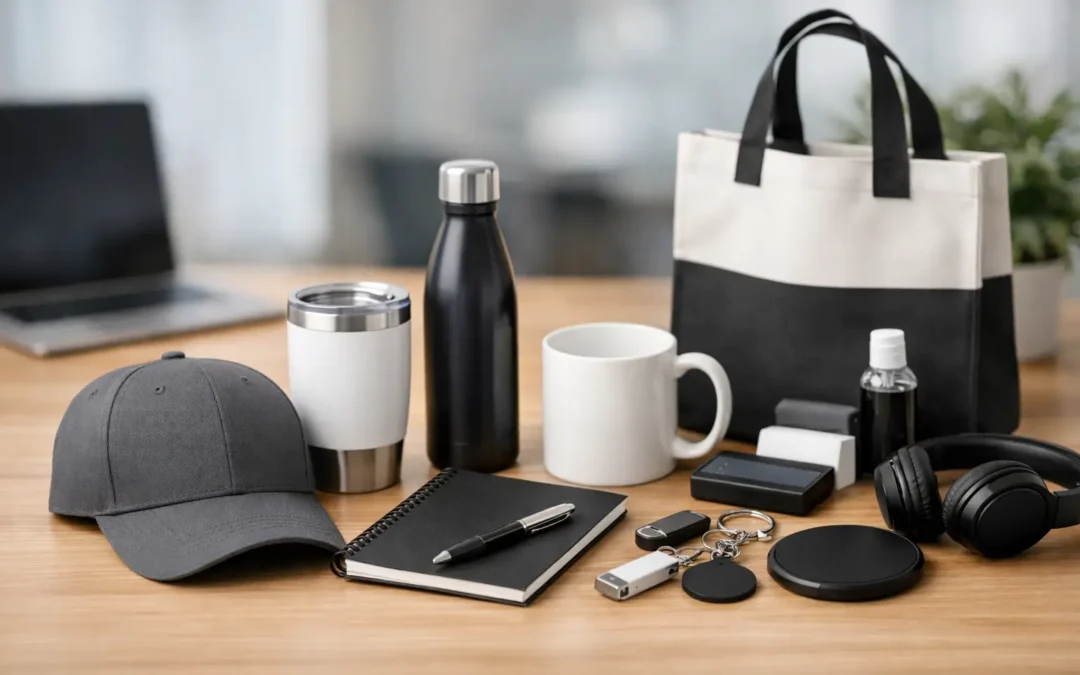
If your main goal is reach, lower-cost products such as pens, keyrings, balloons or badges can make sense in larger volumes. If your priority is perceived value, drinkware, notebooks, scarves, beanies or branded gift items may do a better job. For organisations with a formal or heritage focus, specialist products such as lapel pins, patches or commemorative teaspoons can carry much more meaning than a generic giveaway.
There is no single best product category. It depends on who will receive it, how long they are likely to keep it, and what you want them to remember about your organisation.
Choosing custom promotional products for the audience
The same item can work brilliantly for one audience and fall flat with another. Office-based teams often respond well to practical desk or kitchen items. Event attendees may prefer portable products they can use immediately. Clubs and schools usually need merchandise that supports identity, participation and fundraising at the same time.
Think about where the item will be used. A promotional mug suits workplaces and regular home use. A lanyard suits conferences, schools and security access. A stubby holder has strong appeal for outdoor events, hospitality and casual promotions. Branded scarves and beanies make sense in winter sport, community groups and outdoor worksites.
Age, setting and brand image all matter. If the audience is corporate, quality and finish will usually matter more than novelty. If the audience is families or community groups, practicality and price can be more important. The item should feel appropriate to the recipient and natural for your brand.
Quality matters more than buyers sometimes expect
A cheap product is only good value if it does the job without damaging your image. If it breaks quickly, fades after a few washes, or looks poorly finished, it reflects on the organisation that supplied it. That can be especially noticeable with merchandise used in public, such as drink bottles, bags, uniforms, banners and event accessories.
This does not mean every order needs to be premium. It means the quality should match the purpose. High-volume giveaways may justify a simpler product if the branding is clean and the item is still functional. Client gifts, recognition pieces and official merchandise usually need a stronger standard of material and presentation.
Experienced guidance helps here because there is often a better middle ground than buyers first expect. Sometimes a small increase in unit cost delivers a much better print result, longer product life or a more professional feel. Other times the smarter decision is to keep the item simple and use the budget on quantity or faster turnaround.
Your logo is only part of the branding job
A good product can still disappoint if the artwork is not prepared properly. Branding size, colour matching, print position and decoration method all affect the final result. A detailed logo that looks sharp on a business card may need to be simplified for embroidery on a cap or for a small print area on a pen.
This is one reason artwork support is so important. The best branding result comes from understanding the limits of each product and choosing a method that suits it. Screen printing, digital printing, engraving, embroidery and pad printing each have strengths, but they are not interchangeable.
Colour also needs attention. If brand consistency matters, especially for established businesses, schools and organisations, close matching can make a real difference across multiple products. A red that looks right on paper can appear different on fabric, metal or coated drinkware. Managing those variations early helps avoid disappointment later.
Deadlines shape the best decision
Many promotional product orders are tied to firm dates. Conferences, sporting rounds, school events, product launches and community campaigns do not move just because production ran late. That is why lead time should influence product choice from the start.
Some items are straightforward to source and brand quickly. Others involve more complex production, offshore lead times or multiple approval stages. If the deadline is tight, it may be better to choose an available product that can be branded well and delivered on time than to push for a more ambitious item with unnecessary risk.
Clear scheduling, artwork approval and regular communication matter just as much as the item itself. Reliable project coordination is often what separates a smooth order from a stressful one. For many buyers, especially office administrators, procurement staff and volunteer organisers, that support is every bit as valuable as the product range.
Custom promotional products work best as part of a bigger brand picture
The strongest merchandise programs are rarely built around a single item. They usually combine several pieces that support the same message. An event might use banners, balloons, lanyards, badges and printed material together. A club might need scarves, beanies, patches and drinkware. A business might pair branded notebooks and pens with premium client gifts.
That broader view helps with consistency and convenience. Instead of sourcing each piece separately and hoping the colours, artwork and timing line up, it is often more efficient to manage the whole requirement through one capable supplier. That is part of the practical value of working with an experienced team such as ABC2000. The real advantage is not just access to products. It is having support across sourcing, artwork, branding and delivery so the finished job looks coordinated.
What to ask before placing an order
Before you approve any custom merchandise, ask a few straightforward questions. Who is it for? What do we want it to achieve? How long do we need it to last? What branding method suits the product? When do we need it delivered? Those answers will usually narrow the field quickly.
It is also worth asking whether the item reflects your organisation properly. A community club may want approachable and affordable. A professional services firm may need polished and understated. A school may need products that are practical, safe and easy to reorder. A festival may care most about visibility and crowd appeal. The right answer changes with the brief.
The best custom promotional products are the ones that feel considered. They suit the audience, carry the brand clearly, arrive on time and hold up in real use. If you start there, you are far more likely to end up with merchandise that people keep, notice and remember. That is usually where the real return begins.