
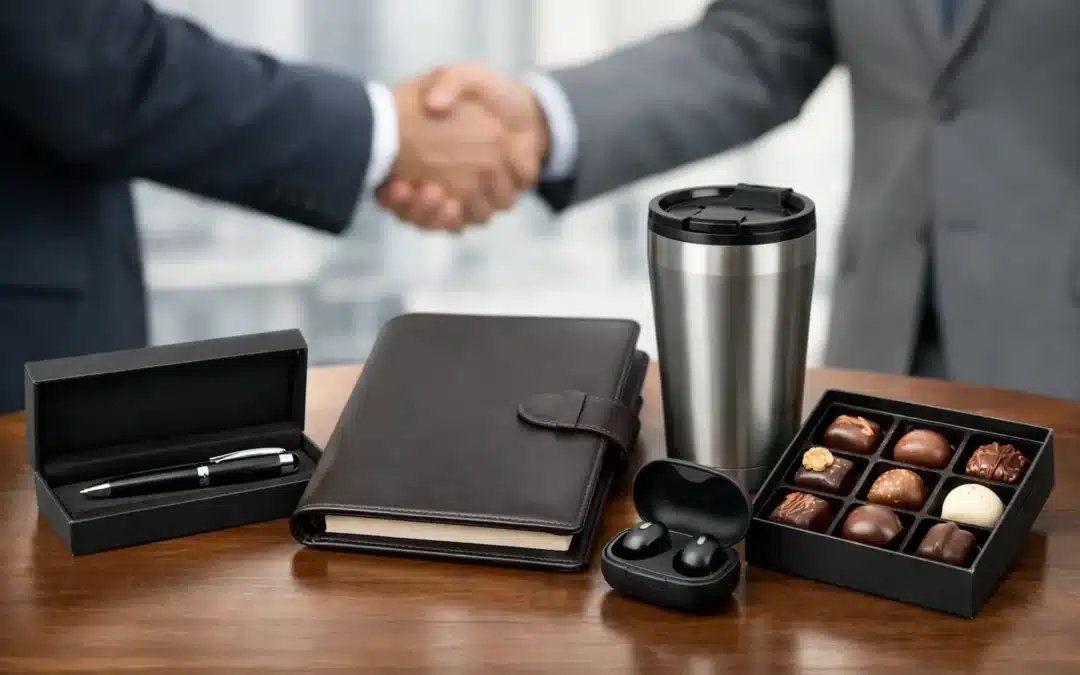
A rushed order of generic giveaway items can disappear from a desk within days. A well-chosen branded drink bottle, notebook or quality pen can stay in daily use for months, putting your organisation in front of the right people again and again. That is the practical value of corporate gifts: they turn a business interaction, milestone or event into a useful, memorable brand touchpoint.
For Australian businesses, clubs, schools and associations, the best choice is rarely the most expensive item in a catalogue. It is the product that suits the recipient, carries your logo clearly and arrives when it is needed. Getting those details right makes the gift feel considered rather than promotional.
What Corporate Gifts Should Achieve
Corporate gifts are often treated as a final detail after an event, campaign or client meeting has already been planned. They work harder when they are selected at the start. The item should support a clear purpose: thank a valued customer, welcome new staff, recognise volunteers, encourage event attendance or keep your brand visible after a sale.
A gift for long-term clients may call for a more refined presentation, such as engraved drinkware, a premium notebook or a branded desk accessory. A large community event needs a different approach. Cost-effective pens, tote bags, lanyards and stubby holders allow more people to take something useful home while keeping the budget under control.
The distinction matters because quantity and perceived value do not always move together. Giving 50 carefully selected items to key clients can be more effective than ordering 500 products with little relevance to the audience. On the other hand, a high-volume giveaway is exactly right when your aim is broad local awareness.
Choose Corporate Gifts for the Moment
Start with the occasion and the recipient before choosing the product. A useful question is simple: where will this item be used once the person leaves?
For office-based customers and professional services, practical desk items have lasting appeal. Branded notebooks, pens, mugs, mouse mats and drink bottles fit naturally into work routines. They are particularly useful for client onboarding packs, conferences, training days and internal recognition.
For teams that spend time on site, on the road or outdoors, consider items that are built for the setting. Caps, beanies, insulated drinkware, keyrings and branded work accessories can offer more value than something designed for a boardroom desk. Product choice should reflect the working day of the recipient, not just the appearance of your logo.
Clubs, schools and volunteer organisations often need merchandise that builds belonging as well as visibility. Scarves, badges, patches, lapel pins and commemorative items can carry real meaning for members, supporters and award recipients. These products may be ordered in smaller quantities, but the design and finish deserve careful attention because they become part of the organisation’s identity.
For events, think beyond the handout table. Lanyards, name badges, tote bags, balloons and branded stationery can make the event look organised while giving attendees something they can use. A coordinated range also creates a stronger visual result than several unrelated products carrying different versions of the logo.
Match the gift to your objective
When selecting products, weigh up four practical factors:
- Audience: Consider their role, age group, interests and likely use of the item.
- Occasion: A staff anniversary, trade show and client thank-you each call for a different level of presentation.
- Quantity: Larger runs usually favour simple, useful products with efficient branding options.
- Brand fit: The material, colour and quality should reflect how you want your organisation to be remembered.
This approach prevents a common mistake: choosing an item only because it is inexpensive. Low cost has its place, particularly for major events, but an item that is poorly suited to the recipient can become wasted spend.
Branding Quality Is Part of the Gift
A good product cannot rescue poor artwork. Small details such as logo placement, print size, colour matching and the contrast between the artwork and product colour affect whether the finished item looks professional.
Start with the best version of your logo available. Vector artwork is generally preferred for crisp, scalable branding, especially for printing, embroidery and engraving. If you only have a small image copied from a website or email signature, it may not reproduce cleanly. Supplying artwork early gives time to check suitability and avoid last-minute compromises.
The branding method also needs to suit the product. A simple one-colour print can look sharp on pens, bags and promotional items, while embroidery may be better for caps, beanies and apparel. Engraving offers a durable, understated finish on selected metal products. Full-colour printing can be useful where a logo contains detailed artwork, gradients or several colours, although the available print area still needs to be considered.
Do not overlook the product colour. A dark logo may disappear on a dark item, and a pale logo can lose impact on light materials. In some cases, selecting a product in one of your brand colours creates a better result than trying to reproduce every brand element on a small surface.
Plan Early, Especially for Events
Deadlines tend to become tight when merchandise is left until the final weeks of a campaign or event. Product availability, artwork approval, production time and freight all need to be allowed for. Specialised products, large quantities and custom-made items can require more lead time than standard promotional stock.
Planning early gives you better options. You can compare products properly, request guidance on decoration methods, approve artwork without pressure and allow time for quality checks. It also reduces the risk of having to settle for a product that does not match the purpose simply because it is available immediately.
For recurring events, annual awards or seasonal promotions, keeping a record of previous quantities and popular products makes reordering easier. It can also help you improve the next run. If attendees consistently take the drink bottles but leave the novelty items behind, the answer is already there.
Make Presentation Match the Relationship
Presentation is not only about gift boxes. It is about how the product is given and why. A branded notebook presented at an onboarding meeting feels more personal when it is paired with relevant information and a genuine welcome. A commemorative pin has greater value when it marks years of service, a major achievement or a shared event.
For client gifts, a small personal touch can make a branded item feel far less generic. This may be a card, a message from the account manager or a product chosen around the client’s industry. The branded product still delivers ongoing visibility, but the relationship comes first.
There are times when a simpler approach is preferable. Some organisations have gift policies or may be uncomfortable receiving high-value items. In those cases, practical, modestly priced corporate gifts are a sensible choice. Quality and thoughtfulness matter more than excess.
Work With One Supplier From Artwork to Delivery
Managing artwork, product choices, printing, quantities and delivery across several suppliers can create unnecessary delays and inconsistent branding. A supplier that understands the full job can help identify suitable products, check artwork requirements and coordinate production around your deadline.
ABC2000 supports organisations with a broad range of promotional products, printing and display items, backed by hands-on guidance through the customisation process. Whether you need branded pens for a local campaign, scarves for a club or specialist commemorative products for recognition, clear communication and dependable scheduling help keep the project on track.
The most effective corporate gifts are not chosen to fill a box or meet a spending target. Choose something people will genuinely keep, use and associate with a positive experience of your organisation. That is where branded merchandise earns its place in your marketing and relationship-building efforts.