A giveaway can be picked up in seconds and remembered for months – or dropped in the nearest rubbish bin before the event is over. Knowing how to design promotional giveaways comes down to making a useful, well-branded choice for a specific audience, then allowing enough time to produce it properly. The cheapest item is not always the best value. A product people keep, use and see regularly gives your brand far more mileage.
For Australian businesses, schools, clubs and event organisers, the right promotional product should do more than carry a logo. It should support a campaign, create a professional impression and make practical sense for the people receiving it.
Start with the job your giveaway needs to do
Before looking through pens, drink bottles, tote bags or event merchandise, define the outcome. A trade show giveaway has a different role from a staff recognition item, a school fundraiser product or merchandise for a sporting club.
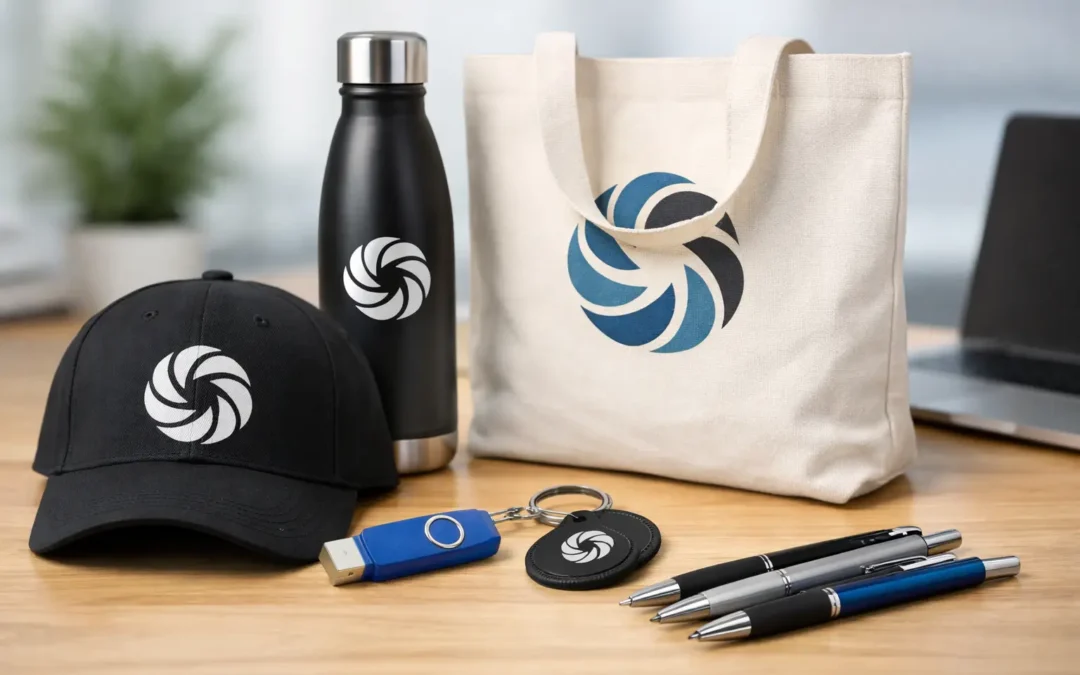
If the goal is lead generation, choose something easy to hand out and useful enough that visitors will keep it after the event. Branded pens, notebooks, keyrings and reusable drinkware are familiar options because they suit everyday routines. For a membership drive or community event, products that build belonging can be more effective, such as scarves, beanies, badges or patches.
The occasion also changes what is realistic. A large public event may need thousands of affordable items. A smaller client function may justify fewer, higher-quality gifts. Start with purpose, audience and quantity, then find the product that fits. Starting with a product you happen to like can lead to wasted budget and stock that does not suit the campaign.
Know who will actually use it
The best giveaways earn their place in someone’s day. Think about where your recipients work, travel, study, exercise or socialise. Office teams may value a quality notebook, coffee mug or desk accessory. Outdoor event attendees may get more use from a cap, water bottle, stubby holder or sunscreen-related item. Parents at a school event might prefer practical household or car-friendly products.
Age, setting and season matter too. A branded beanie makes sense for a winter footy fundraiser in Victoria, but it is unlikely to be the right choice for a summer expo. A bulky item may look impressive, yet be inconvenient for commuters to carry around an exhibition hall.
Usefulness is not the only consideration. The product should feel appropriate to your organisation. A financial firm may choose a refined notebook and pen set, while a youth sports club can be more colourful and casual. The giveaway becomes part of your public image, so its style should reinforce the way you want to be known.
Choose quality that matches the message
Promotional merchandise is a physical reflection of your brand. If a pen runs out immediately, a drink bottle leaks or a print fades after a few uses, the recipient may associate that poor experience with your organisation. This does not mean every campaign needs premium products. It means the item needs to be fit for purpose.
For high-volume giveaways, a simple product with reliable construction and clear branding can be a smart choice. For valued clients, employee milestones or commemorative occasions, it may be worth investing in more substantial materials, custom packaging or specialist items such as lapel pins, commemorative teaspoons or aluminium coasters.
Consider the likely life of the product. Disposable event items can have a place, but reusable products often provide stronger long-term exposure. A drink bottle used at the gym, a tote bag taken to the shops or a mug sitting on a desk can put your name in front of people repeatedly without another advertising spend.
Keep the design clear, not crowded
A promotional product is not a brochure. Its branding area is often small, curved, textured or viewed from a distance. Trying to fit a logo, tagline, phone number, website, social handles and several messages into one space usually makes everything harder to read.
Choose the one message that matters most. In many cases, that is simply a clear logo and recognisable brand colours. If you need a call to action, use a short, legible phrase rather than a paragraph of information. A concise event name or campaign line can work well when it supports the logo rather than competes with it.
Artwork needs to be prepared for the decoration method and the product itself. Fine lines may not reproduce well at a small size. A detailed logo can lose impact when printed on a textured item. Colour matching can also vary between print methods and materials, particularly on fabric, metal, plastic and ceramic surfaces.
This is where early artwork checks save problems later. Ask for a visual proof, review the spelling, placement, sizing and colours carefully, and make sure the right version of your logo has been supplied. A good proofing process protects both your budget and your brand.
Match the branding method to the item
There is no single best decoration method. Screen printing can suit bold, straightforward artwork and larger runs. Digital printing can accommodate more detailed colour designs on suitable products. Embroidery gives caps, uniforms and fabric items a durable, premium finish, but very fine detail may need simplifying. Engraving can create a polished look on metal items, particularly when a subtle, long-lasting finish suits the brand.
The right option depends on the item, the artwork, the quantity and the finish you want. It is worth discussing these details before approving a product based solely on an online image.
Build the budget around impact, not unit price alone
When comparing promotional products, look beyond the unit cost. Setup charges, artwork preparation, printing positions, packaging, freight and delivery timing can all affect the final figure. A low-cost item that needs complicated multi-colour printing may not be as economical as a slightly better product with a simple one-colour print.
Quantity is another balancing act. Larger orders can reduce the cost per item, but only if you can use the stock. Ordering far more than needed can tie up funds and leave dated merchandise in storage. On the other hand, under-ordering for a popular event can mean missed opportunities and inconsistent distribution.
Set a total campaign budget first, allowing room for production and delivery rather than spending the full amount on the product alone. Then prioritise the elements that recipients will notice: practical value, clean branding and a finish that suits the occasion.
Plan production around the real deadline
A giveaway is only useful if it arrives before the event. Many projects require time for product selection, artwork approval, production, quality checks and freight. Custom items, unusual colours, specialist finishes and larger quantities may need longer lead times, especially around major event seasons and end-of-year deadlines.
Work backwards from the date the products need to be in your hands, not the event date itself. Allow a buffer for packing, distributing to branches or volunteers, and any last-minute changes. If your deadline is tight, be upfront about it early. A supplier can then recommend products and branding methods that are achievable within the available timeframe.
ABC2000 helps customers coordinate product choice, artwork and production in one place, which is particularly useful when an event needs several branded elements, such as giveaway items, banners, lanyards and printed collateral.
Design promotional giveaways for the full experience
Think about how the item will be presented and distributed. A premium client gift can feel more considered with a simple card or quality packaging. At a busy expo, products should be quick to hand out without creating queues. For club merchandise, clear sizing, colour options and ordering instructions can prevent confusion.
Also consider whether the giveaway connects with the rest of the campaign. Using the same colours, event name and message across your banners, business cards, uniforms and promotional products creates a more professional experience. Consistency helps people recognise your organisation when they see it again later.
The strongest giveaway is rarely the flashiest item on the table. It is the one that suits the recipient, carries your brand clearly and arrives ready to do its job. Give your product a purpose, keep the artwork disciplined and allow enough time for proper production – then your merchandise can keep representing your organisation long after the event finishes.