A box of cheap giveaways that nobody keeps is not marketing. It is just spend. The better approach to promotional products for small business is simpler: choose items people will actually use, match them to the job at hand, and make sure your branding looks sharp when it lands in someone’s hands.
For small businesses, that matters more than ever. Budgets are tighter, every impression needs to count, and the wrong product can make a business look rushed or forgettable. The right product does the opposite. It keeps your name visible, supports a professional image, and gives customers, staff or event visitors a practical reason to remember you.
Why promotional products for small business still matter
Digital advertising has its place, but physical branded items do something online impressions cannot. They stay on desks, in cars, in kitchens, at worksites and in bags. A pen, mug, notebook or keyring can put your business in front of someone repeatedly without needing another media spend.
That repeated visibility is valuable for smaller operators building recognition in local markets. A café, tradie, medical clinic, real estate office, school supplier or community business often needs steady brand presence rather than a one-off spike. Promotional merchandise helps build familiarity over time, especially when it is useful and well presented.
It also supports trust. When your branding is consistent across printed materials, event displays and promotional items, the business feels more established. Customers notice that, even if they do not say it outright. A clean logo on quality drinkware or a properly printed lanyard sends a different message from a rushed, low-grade giveaway.
Start with the purpose, not the product
One of the most common mistakes small businesses make is picking an item because it is popular, without asking what it needs to do. A product for an expo is not always the right product for client onboarding. Staff recognition calls for something different again. So does a school fundraiser or local club event.
If the goal is brand reach, lower-cost items with broad appeal often make sense. Pens, balloons, keyrings, stubby holders and notepads can work well here because they are easy to distribute in volume. If the goal is stronger perceived value, a better-finished item such as drink bottles, mugs, notebooks or branded apparel may deliver more impact.
This is where experience matters. It is not only about what looks good in a catalogue. It is about quantities, print area, logo detail, lead times, freight, event conditions and whether the product suits the audience. In practice, the best result usually comes from matching the product to the situation rather than chasing the cheapest unit price.
The best promotional products for small business are useful
Usefulness is the closest thing this category has to a rule. People keep items that solve small, everyday needs. That is why classic promotional products have stayed around for decades.
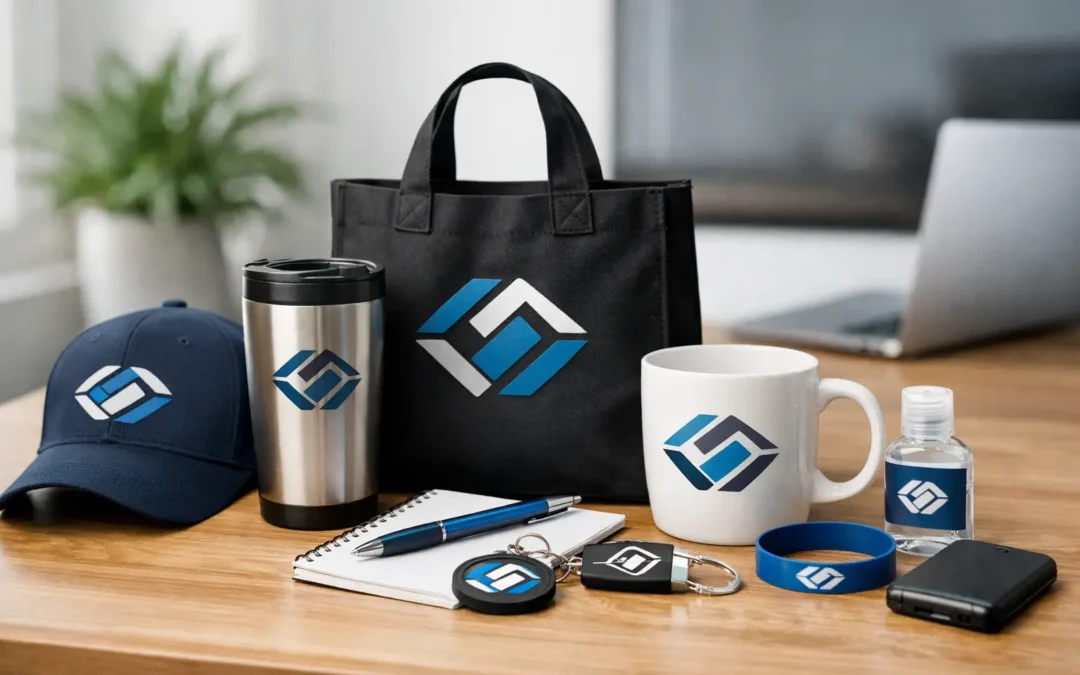
Pens remain strong because they are inexpensive, practical and easy to hand out. Mugs and drinkware work because they stay visible in offices and homes. Lanyards are especially effective for schools, workplaces and events where they are used regularly. Notebooks are a solid choice for meetings, conferences and training. Stubby holders suit hospitality, outdoor events and community promotions in a very Australian way.
That does not mean every business should order the same stock items. A legal office might want understated notebooks and pens. A sports club may get better value from scarves, beanies or badges. An event organiser might need banners, balloons and lanyards to support visibility on the day, then follow up with smaller take-home items. A business running a recognition program may be better served by lapel pins, patches or commemorative pieces that feel more considered.
The point is not novelty for its own sake. It is relevance.
Quality affects how your brand is judged
Small businesses often feel pressure to stretch the budget, and that is fair. But there is a difference between buying smart and buying something that works against your brand.
If print quality is poor, colours are off, or the product feels flimsy, customers may read that as a reflection of the business itself. On the other hand, a straightforward item done properly can leave a strong impression. A well-printed pen with a clear logo is better than an ambitious product with disappointing finish.
There is also a practical side to quality. Better products tend to last longer, which means more brand exposure over time. Better artwork setup means your logo remains legible and professional. Better production management reduces the risk of delays or mismatched expectations.
For many buyers, especially office managers, small business owners and committee organisers, that reliability is just as important as price. They are not looking to manage multiple suppliers, chase artwork corrections and worry about delivery dates. They want the job handled properly.
Choosing products by business type and occasion
Different organisations use promotional merchandise in different ways, and that is where a broad product range becomes useful.
Retailers and hospitality venues often benefit from items that support repeat customer visibility, such as cups, stubby holders, loyalty-related giveaways or branded counter material. Service-based businesses may lean towards pens, notebooks, business cards and client welcome packs that reinforce professionalism. Trade and construction businesses often get good mileage from practical branded gear that suits worksite use or customer handover packs.
Schools, clubs and associations usually need a mix of identity and function. Lanyards, badges, patches, scarves and beanies help build belonging, while banners and event displays help with presentation. Event organisers need products that work both before and during the event – promotional handouts, signage, registration materials and branded accessories all have a role.
This is why a total image solution is often more efficient than sourcing one item at a time. When merchandise, print and display materials are coordinated together, branding is more consistent and planning becomes easier.
Artwork, branding and the details that matter
A good product choice can still fall short if the branding is not handled properly. Logo size, placement, print method and product colour all affect the final result.
Some logos need a larger print area to remain readable. Fine details may not suit every surface. Dark products can change how colours present. Metallic finishes, embroidery and pad printing all create different effects. These are not minor details when you are trying to present a professional image.
That is why artwork support matters, especially for smaller organisations without an in-house designer. Clear advice at the quoting stage can prevent wasted spend later. It can also help buyers choose a better product for their logo rather than forcing artwork onto something unsuitable.
Lead time matters too. Promotional products are often tied to opening dates, conferences, school terms, seasonal campaigns or community events. Leaving the order too late can narrow your options. Planning ahead gives you more flexibility on product choice, branding method and budget.
Getting better value from your spend
Good value is not always the lowest quote. It is the result you get for the money spent.
A practical item that lasts six months and keeps your brand visible may outperform a cheaper giveaway that goes straight into a drawer. A coordinated order that includes merchandise, printed collateral and display material may save time and reduce avoidable errors. Dependable communication can be worth a great deal when a deadline is fixed and the event date is not moving.
For Australian small businesses, there is also value in dealing with a supplier that understands local expectations, event timing and the balance between presentation and budget. That is particularly helpful when the order needs more than just a product picked from a page. ABC2000 has built its reputation on that hands-on approach – helping customers sort through options, manage branding details and get the finished result delivered as expected.
What small businesses should prioritise first
If you are choosing promotional merchandise for the first time, start with one or two proven products that fit your day-to-day business rather than trying to cover every possible use. Think about where customers encounter your brand, what they are likely to keep, and how the item reflects your standards.
A strong first order is usually practical, on-brand and easy to distribute. It suits the audience, carries your logo clearly and arrives on time. Once that base is in place, you can expand into event materials, staff items, seasonal promotions or more specialised branded pieces.
Promotional products work best when they feel like part of your business, not an afterthought. Pick items with a purpose, brand them well, and give people something worth keeping. That is when a simple product starts doing real marketing work long after it leaves your hands.